



Compare automatic and semi-automatic liquid filling machines, dosing systems, container options and format changeovers for bottle production.
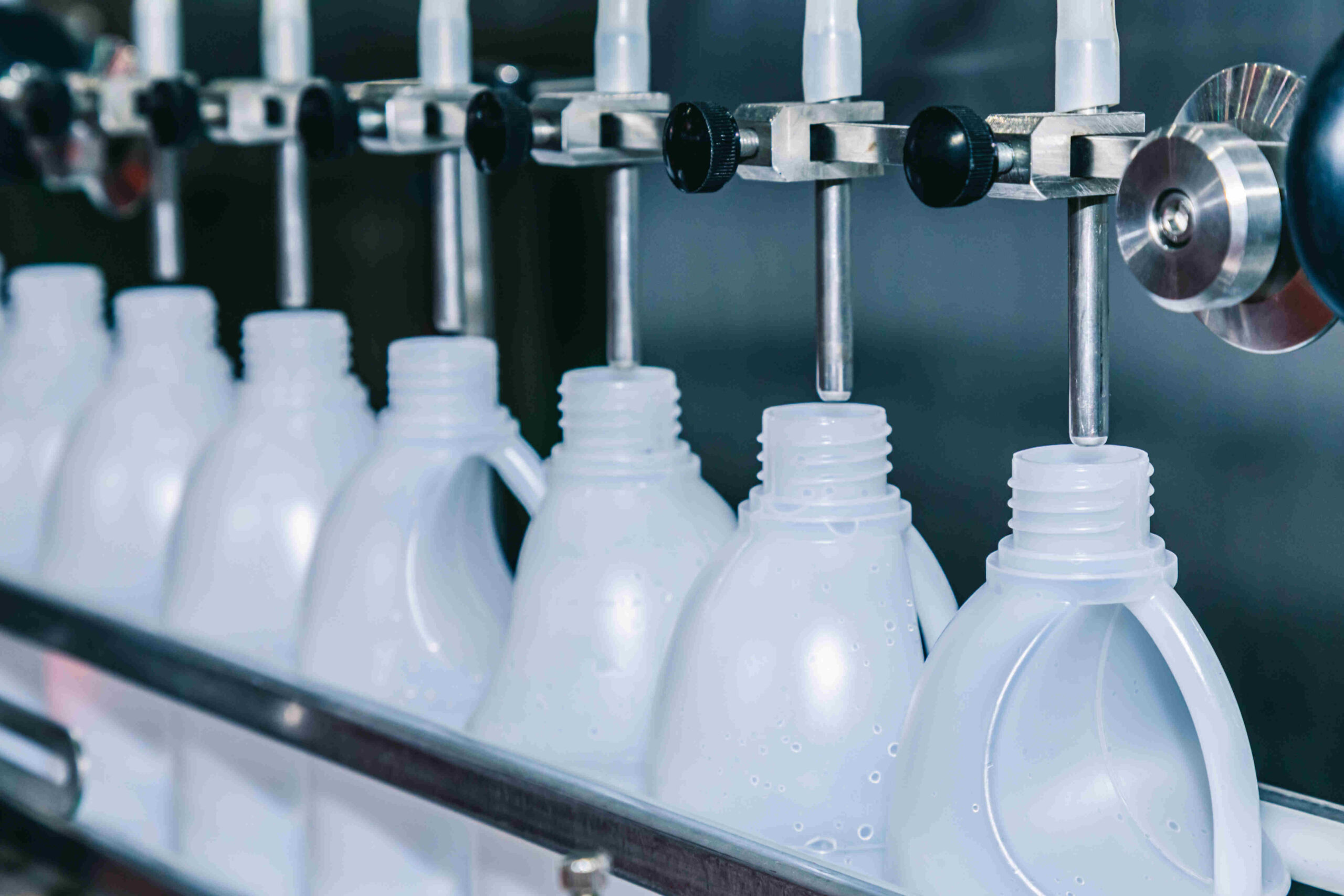
A liquid filling machine dispenses liquid products into bottles and other individual containers. Automated filling machines are high-speed, high-capacity equipment designed for accurate dosing, helping manufacturers increase productivity and reduce production costs.
Choosing suitable liquid filling equipment involves considering the product’s properties, packaging, required output and dosing accuracy. The level of automation and the ability to change between production formats are also important.
What should a bottle filling machine handle?
A bottle filling machine puts a defined quantity of liquid into individual packages. Filling machines combine high operating speed and capacity with accurate dosing. They are used across the food, cosmetics, pharmaceutical and chemical industries, as well as other sectors manufacturing liquid products.
The main requirements to consider include:
- Product properties: density, viscosity and tendency to foam.
- Production requirements: required capacity and dosing accuracy.
- Packaging: container materials and production formats.
- Operator involvement: semi-automatic or automatic container feeding and filling.
- Format changes: switching between different products or packages.
- Line integration: combining filling with capping and labelling.
Container materials and liquid products
Filling machines can handle packaging made from various materials, including glass bottles, plastic containers and recycled containers. Machines are available for both low- and high-density liquids and a wide range of viscosities.
Some equipment can also handle products that tend to foam. The Cleanline 120 range is one such example.
Multiple products and rapid format changeover
Modern filling machines allow rapid format changeover between products or packaging formats. This can involve replacing the format nests that hold the containers during filling.
The Futureproof 120 filling line offered by Unilogo uses this approach. A multi-format filling machine can therefore allow a manufacturer to produce several product types on one line without purchasing additional production equipment.
Automatic or semi-automatic filling?
Filling machines are available in semi-automatic and fully automatic versions. The main difference is how empty containers are fed into the machine and the operator’s involvement in the filling cycle.
Semi-automatic operation
With a semi-automatic filling machine, the operator places empty containers on the machine table and presses the start button. The filling nozzles lower and dispense the liquid into the containers.
Once filling is complete, the nozzles rise. The operator removes the filled containers, loads empty ones and starts the next cycle.
Automatic operation and downstream integration
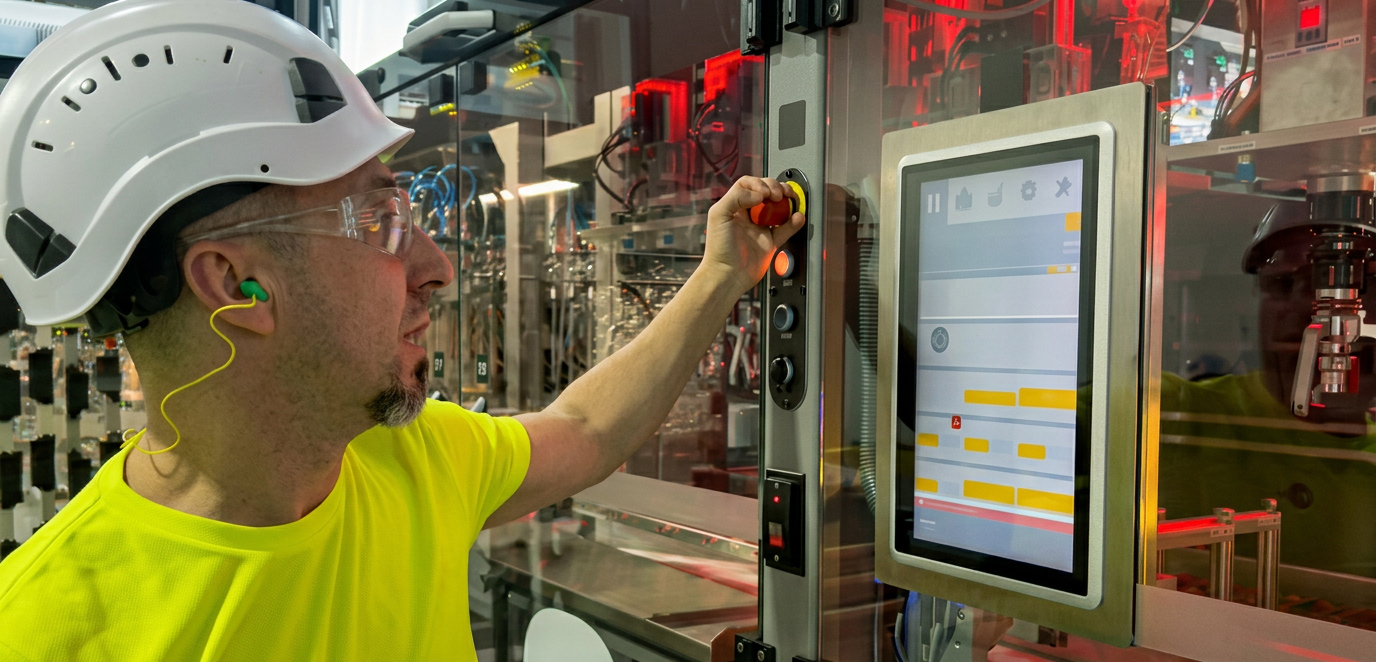
An automatic filling machine receives empty containers through a conveyor or dedicated feeder. The filling process takes place without operator intervention, with human involvement limited to occasional checks that production is running correctly.
An automatic liquid filling machine is often integrated with capping and labelling equipment. This arrangement fills, closes and labels containers so they are ready for bulk packaging.
Comparing filling and dosing equipment
Both automatic and semi-automatic filling machines can use different dosing systems. The choice depends primarily on the liquid being filled, along with the required production capacity and dosing accuracy.
Piston dosing
A piston dosing system consists of a cylinder and a piston that moves within it. Depending on the piston’s position, liquid is drawn from the main tank or transferred to a nozzle above the container.
Piston systems are suitable for dense cosmetic products such as shampoos, soaps and creams. They are therefore an option when selecting a shampoo filling machine or cream filling machine.
Flow-meter dosing
Flow-meter dosing systems measure the liquid being conveyed by volume or mass. The source describes these systems as offering dosing accuracy of 0.5% and identifies mass and electromagnetic flow meters as the main types used.
These dosing systems are used where greater dosing accuracy is required. Applications include the production of sparkling water, alcohol and other beverages.
Pressure-and-flow dosing
Pressure-and-flow dosing systems are most commonly used for low- to medium-density liquids. The arrangement described is not suitable for higher-viscosity products such as creams and pastes.
These systems are mainly used in chemical, cosmetic and food production.
Choosing a liquid filling machine: summary
Filling machines support fast, accurate and repeatable bottle filling while increasing production efficiency and reducing production costs. Selecting equipment involves matching the liquid, packaging, capacity and dosing requirements to the available machine and dosing system.
Semi-automatic equipment requires an operator to load and remove containers and initiate each cycle. Fully automatic equipment feeds and fills containers automatically and can be integrated with capping and labelling machines.
To discuss a filling machine for your business, contact Unilogo’s engineering team through the contact form.