





Explore how perfume moves from fragrance development and ingredient extraction to blending, filling, closure application and packaging design.
Perfume production combines fragrance development, ingredient sourcing, blending and packaging. Turning a fragrance concept into a finished product also requires raw material procurement, machinery selection and production logistics. A perfume filling line supports the final stages by dispensing the finished fragrance into bottles and applying the specified closures.
- What does perfume manufacturing involve?
- Perfume manufacturing technology
- Bottle and packaging design
- Planning perfume production and equipment selection
What does perfume manufacturing involve?
Perfume manufacturing begins with a fragrance concept and the development of a formula. Perfumers evaluate ingredients, test combinations and adjust their proportions until they achieve the intended fragrance. Development can take months or, for some projects, years, depending on the scope of research and formulation trials.
Consumer research can help manufacturers understand which fragrance notes appeal to their target customers. These findings can inform a new product concept, although they do not guarantee a successful launch.
Once the formula is established, the manufacturer must organise the resources needed for production. These include:
- Fragrance ingredients and other raw materials, including oils, alcohols and esters.
- Bottles, closures, labels and cartons.
- Processing machinery and liquid filling equipment.
- Production, storage and distribution arrangements.
Quality control and accurate execution matter throughout these stages, from maintaining the formulation to checking the finished package.
Perfume manufacturing technology
Natural and synthetic fragrance ingredients
Perfume ingredients may be natural or synthetic. Natural fragrance materials can be of plant or animal origin, while synthetic fragrance ingredients are produced through chemical processes. Synthetic materials provide alternatives to natural ingredients and may offer cost advantages in some formulations; they are not universally less expensive.
Natural aromatic materials require an extraction method appropriate to the raw material. Steam distillation passes steam through plant material to carry volatile aromatic compounds into a condenser. After condensation, the resulting oil and water phases are generally separated by phase separation rather than by a further distillation step.
Other methods include expression, or pressing, solvent extraction, enfleurage using fat, and maceration. The appropriate method depends on the material and the aromatic compounds being recovered. Maceration involves soaking material in a suitable medium; it is not necessarily a room-temperature water process.
Blending ingredients in defined proportions
The selected ingredients are blended according to the fragrance formula. During development, repeated trials establish the desired balance and proportions. Production then follows that formulation, making accurate measurement and consistent handling important to maintaining the intended fragrance.
The role of a perfume filling line
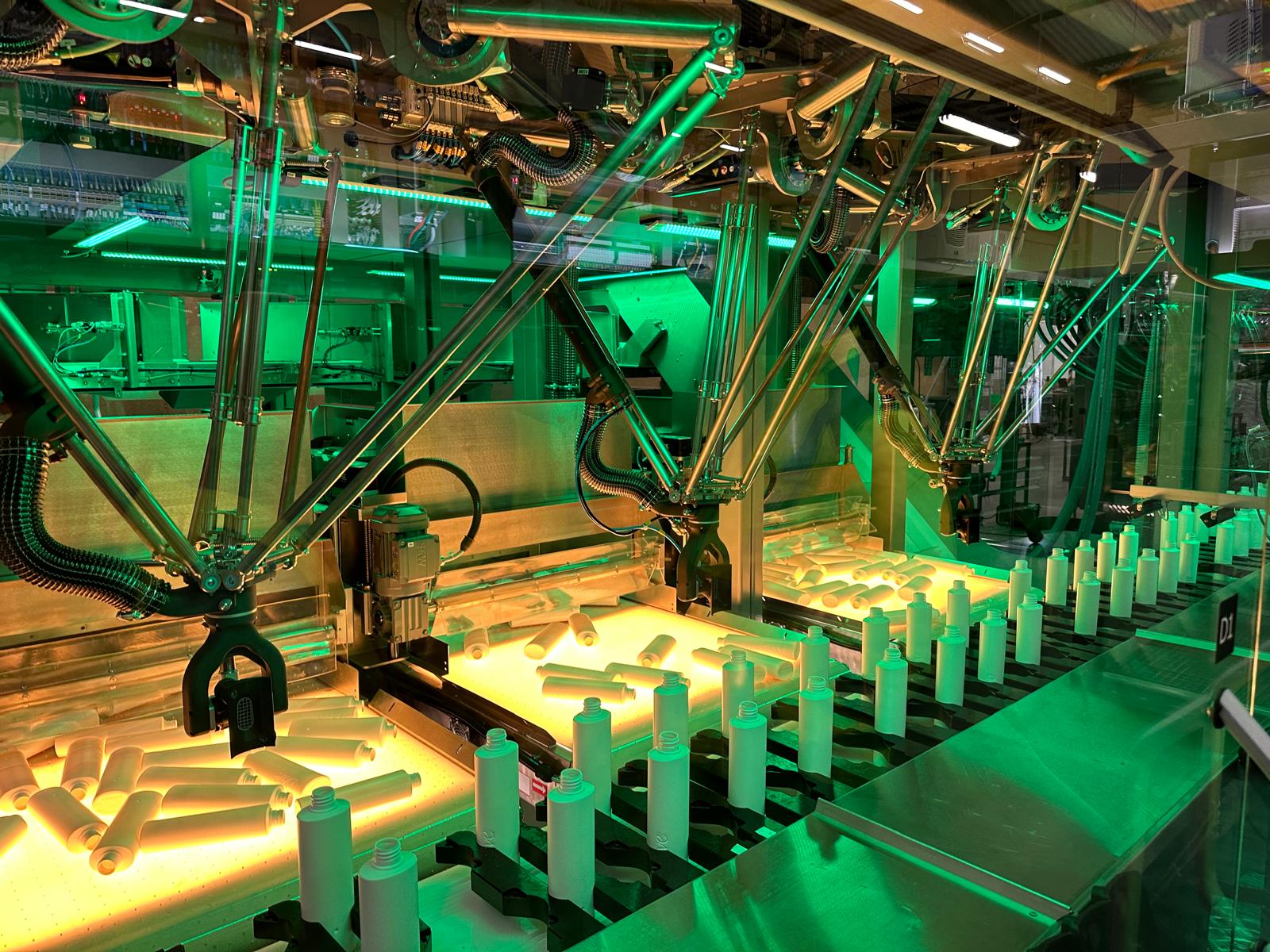
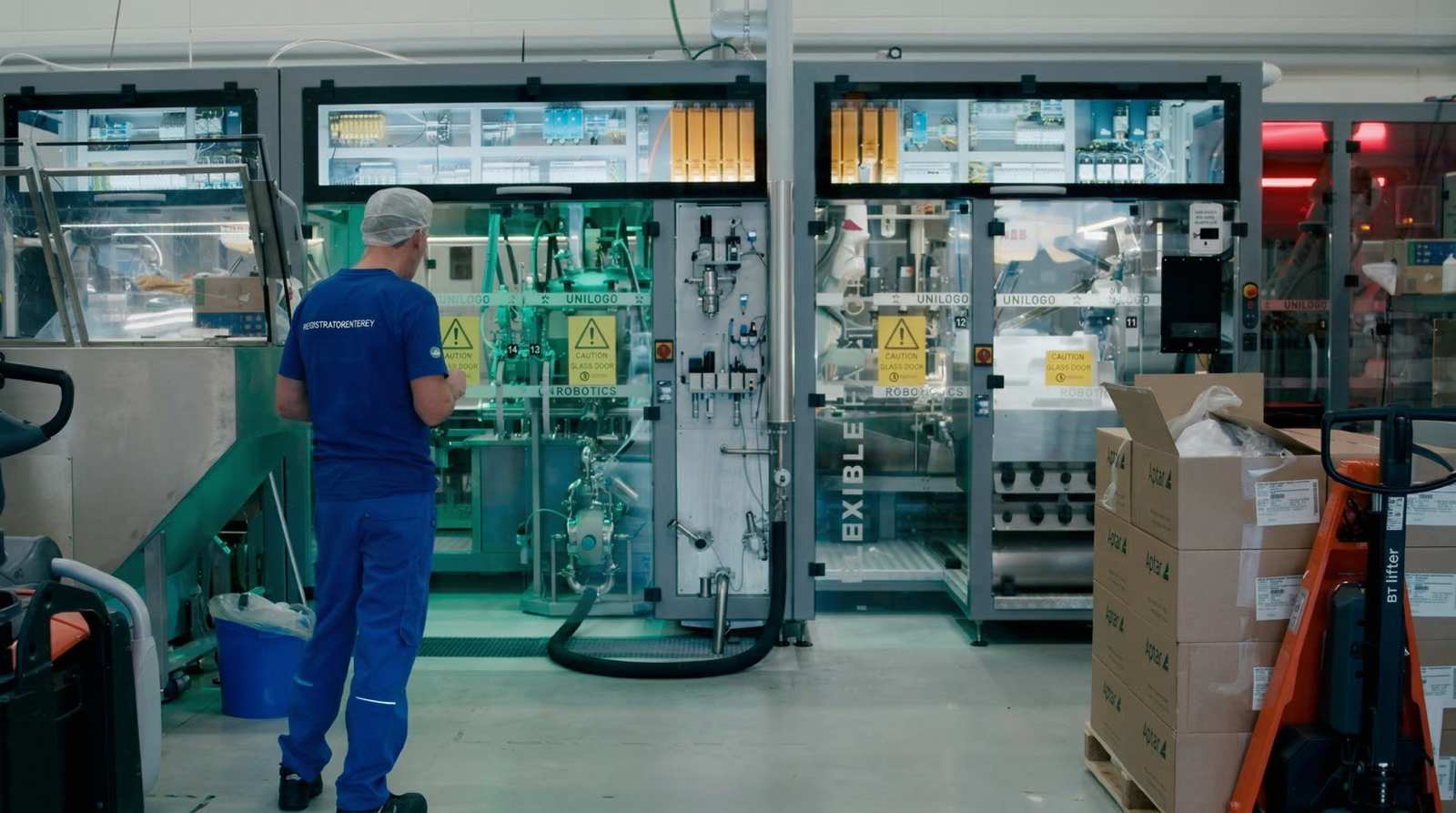
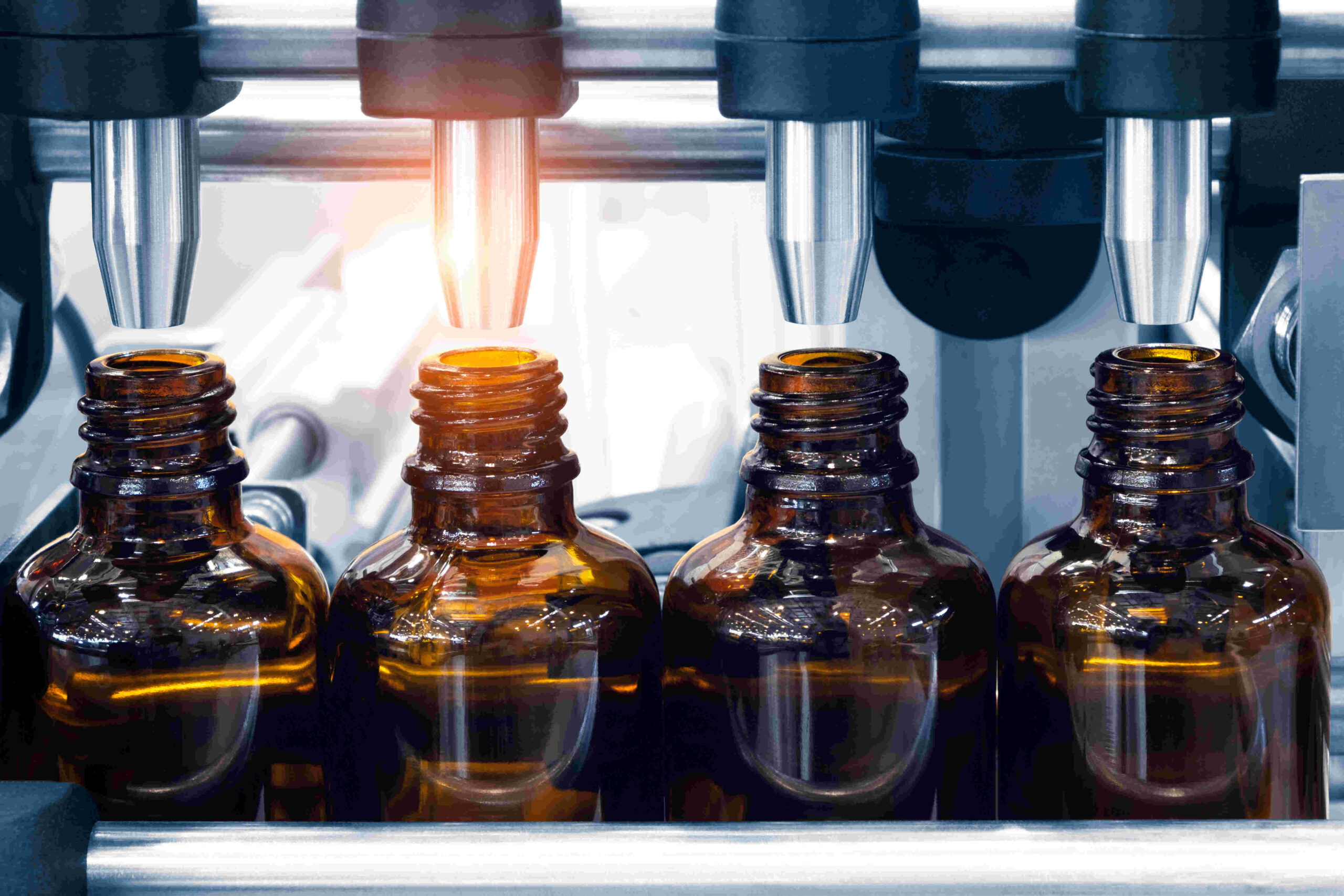
Once the finished perfume is ready for packaging, it is dispensed into individual containers, which are then closed. Selecting a fragrance filling line therefore involves considering both the filling operation and the bottle-and-closure combination.
The source article identifies UNILOGO's Cleanline 200 as an example of equipment for this stage. It associates this type of machinery with perfume closures such as atomisers and micro-sprays. Current product availability and compatibility with a particular closure should be confirmed with UNILOGO before equipment selection.
For a liquid filling machine, consistent dispensed quantities are an important selection objective. However, a precision filling machine should be assessed against documented dosing tolerances and operating conditions, rather than an assumption that every bottle receives an identical quantity. The source does not provide a verified dosing tolerance for Perfumline 50.
Bottle and packaging design
Bottle and carton design should be considered alongside the fragrance and production process. Packaging needs to be attractive, functional and practical, while remaining compatible with the selected filling and dosing equipment.
Protection from light may be important for fragrance ingredients and finished perfumes. Dark or coloured packaging can help limit light exposure, but the protection required depends on the formulation and the complete packaging system. Colour alone should not be treated as proof of adequate protection.
Packaging decoration can refer to the fragrance notes or the product's intended identity. Special closures, hang tags and coordinated bottle-and-carton graphics can contribute to a consistent presentation.
Labels must also remain readable. Decorative elements should support the design without obscuring key product information.
Planning perfume production and equipment selection
Successful production planning connects the fragrance formula with reliable ingredient supplies, suitable packaging, machinery and logistics. Bottle and closure decisions should be coordinated with equipment selection rather than treated as separate design tasks.
For a new installation or production line modernization, discuss the intended containers, closures and filling requirements with the equipment supplier. Confirm machine compatibility and documented filling performance before making a purchasing decision.
To discuss perfume production machinery or an upgrade to existing equipment, use the UNILOGO contact form for equipment-selection guidance.