





Explore four small manufacturing business ideas, the factors that influence profitability, and when investment in production and packaging equipment may make sense.
A small manufacturing business can turn specialist skills or a product idea into a commercial venture. Before investing, however, you need to establish who will buy the product, what it will cost to make and which production requirements apply.
This guide considers cosmetics, handmade candles, epoxy-resin products and plant-based foods. It also explains where equipment investment, including cosmetic manufacturing automation, may fit into a gradual growth plan.
- What is a small manufacturing business?
- Where should you start?
- What makes a business profitable?
- Four manufacturing business ideas
- Planning machinery investment
What is a small manufacturing business?
In everyday use, a small manufacturing business produces goods on a limited scale, sometimes with only its owner carrying out production. Depending on its size and legal circumstances, it may operate as a sole proprietorship or qualify as a microenterprise or small enterprise.
These terms are not interchangeable legal classifications. Formal definitions can depend on employee numbers, financial thresholds, ownership relationships and jurisdiction. Check the applicable rules before relying on a classification for registration, funding or other business decisions.
Where should you start?
Begin with a product idea and a clearly defined customer need. A niche can provide a useful starting point, but being unusual does not establish demand. Assess what customers already buy, which needs remain unmet and how your proposed product differs from available alternatives.
Competition does not automatically rule out an opportunity. Product quality, transparent communication and a clear reason to choose your business can matter alongside originality.
Next, consider how you will manufacture consistently. Knowledge and practical skills need to be supported by suitable equipment, an appropriate workspace and organised production logistics. Limited space may be workable, provided it accommodates the process and meets applicable requirements.
What makes a business profitable?
No product category guarantees profitability. The relationship between demand, achievable selling prices and the full cost of operating the business is more important than its size.
Assess the following factors before committing funds:
- Customer demand: identify likely buyers and test whether they will pay your intended price.
- Product quality: establish how you will maintain a consistent standard.
- Manufacturing costs: account for ingredients or materials, labour, packaging and production losses.
- Competition: understand the alternatives and your point of differentiation.
- Organisation: plan a practical workflow rather than adding unnecessary complexity.
- Investment requirements: include equipment, premises and applicable compliance costs.
A small operation is not necessarily inexpensive or low-risk. Starting with a manageable product range and validating demand can help you assess the opportunity before expanding.
Four manufacturing business ideas
1. Natural, organic and vegan cosmetics
Natural, organic and vegan cosmetics are possible areas to investigate, but each positioning needs a clear customer proposition and support for any product claims. Do not assume that these descriptions alone establish demand or profitability.
A gradual approach may begin with a limited range and basic equipment for weighing, mixing and heating ingredients where the formulation requires it. Containers, utensils and moulds may also be relevant. A ventilated room and running water alone do not establish that premises or a process are suitable for commercial cosmetics production. Verify the applicable premises, product safety, good manufacturing practice, notification and labelling requirements before selling.
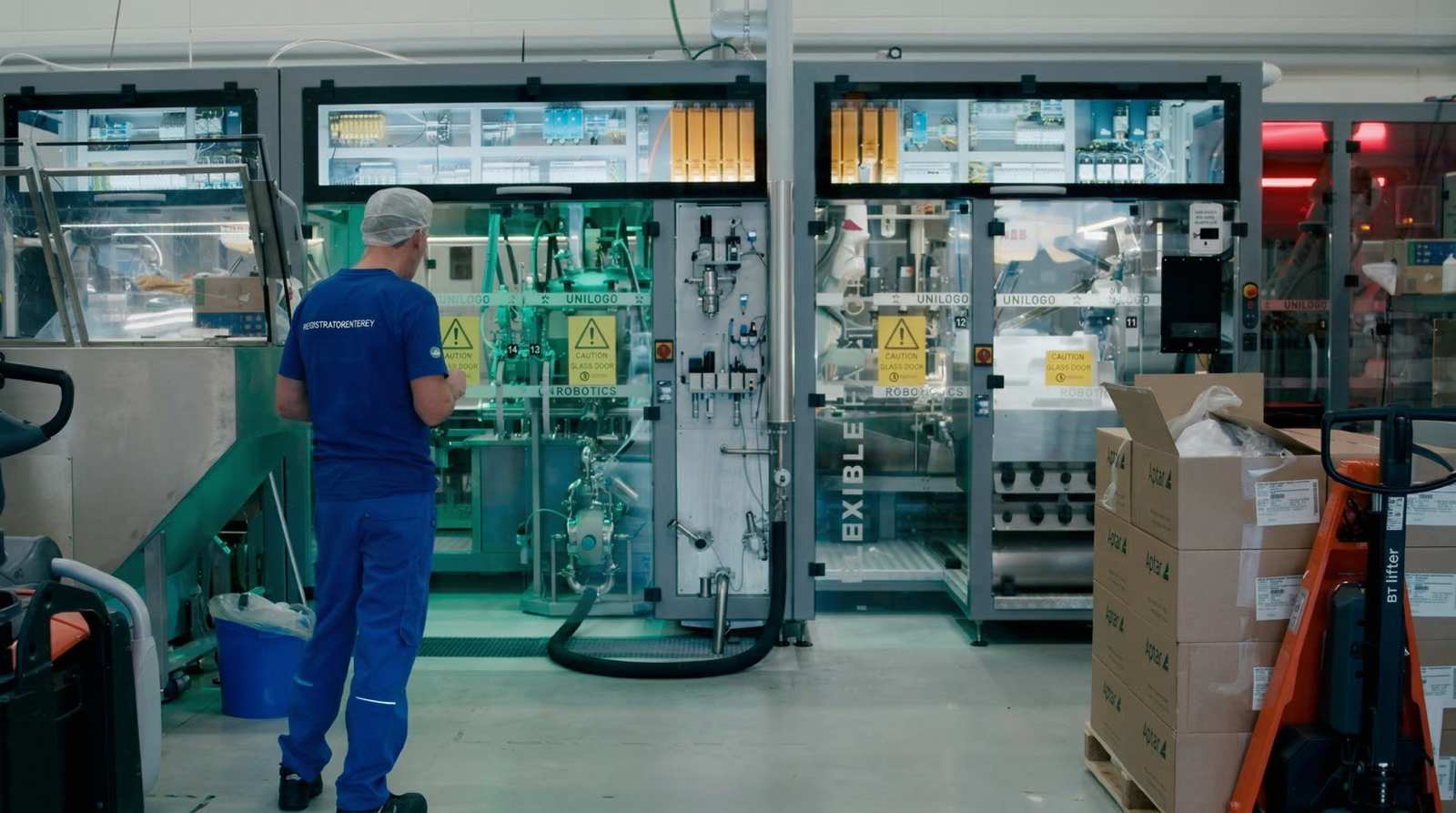
As demand develops, assess whether a cosmetic production line would address a specific production constraint. Filling and dosing equipment may support product dispensing, while an automatic capping machine handles compatible closures. An automatic labelling line may be a later investment where the containers, labels and production requirements justify it.
The source identifies a dosing line, Flexicapper and labeller as potential equipment options. Confirm current availability and application suitability with the supplier. A cosmetic packaging line should be assessed against the actual products, containers, closures and required output.
Automation may improve process consistency or reduce unit costs when production volumes and implementation support the investment. It does not eliminate all production errors or guarantee better finished-product quality.
2. Handmade candles
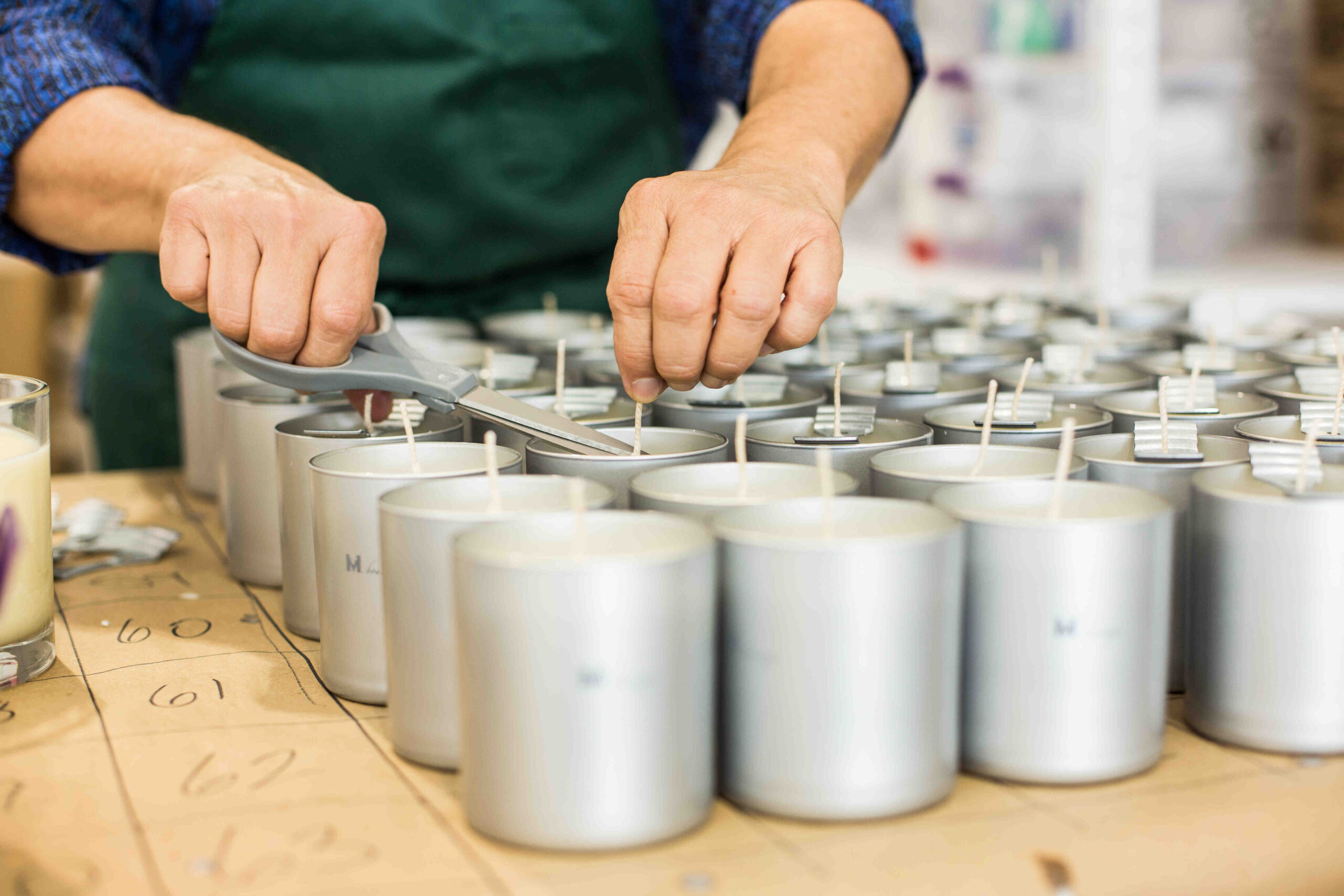
Handmade candles offer opportunities for differentiation through shapes, fragrance combinations, ingredient choices and packaging. These are possible selling points, not evidence of guaranteed demand or environmental benefits.
Basic production materials and tools can include waxes, wicks, glass vessels or moulds, fragrance oils, pots and spatulas. An advanced production line is not necessarily the starting point, but product safety and process requirements still need assessment.
Packaging equipment may become relevant as the business develops. Discuss labellers or, where containers use compatible closures, capping machines with the supplier rather than assuming suitability for candle applications.
3. Epoxy-resin jewellery and accessories
Epoxy resin can be used for jewellery, decorative vessels, artwork, interior accessories and furniture-related projects. It may suit a business built around creative design and distinctive products.
Materials and equipment can include resin and hardener, pigments, additives, moulds, and measuring and mixing accessories. Any use of heat must follow the product instructions. Consult the relevant safety data sheets for handling, ventilation, suitable gloves, protective clothing and any required respiratory protection; a generic mask should not be assumed adequate.
4. Vegan and vegetarian foods
Plant-based ready meals, jarred foods, cakes, desserts and sweet snacks are further ideas to investigate. Validate local demand instead of assuming that the market lacks suitable products.
Home-based production is subject to local rules and may not be permitted for every process. Before selling, verify premises, hygiene, sanitary, allergen-control and food-labelling requirements. A vegan recipe does not automatically make a product suitable for people with allergies or intolerances.
Planning machinery investment
Choose equipment around a defined production need rather than buying automation simply because the business is growing. Review product characteristics, packaging formats, workspace, workflow and expected demand before deciding which operation to automate first.
For cosmetic manufacturing automation, a staged investment may be more appropriate than immediately purchasing an entire line. Any expected gains should be assessed against equipment cost, integration needs and the production process.
To discuss suitable production machinery, Get in touch with details of your product, packaging and production plans. Confirm equipment availability and suitability before making an investment decision.