






Manufacturing automation can displace repetitive work while creating technical roles. New jobs may not offset all losses, making skills development and education important.
Manufacturing automation changes both the work people do and the skills employers need. Machines can take over repetitive physical tasks, while automated equipment creates demand for programming, commissioning, servicing and supervision. These new responsibilities do not necessarily provide replacement employment for everyone whose job is displaced.
The impact of automation on the labour market therefore involves both opportunities for skills development and a substantial risk of job losses.
Which manufacturing tasks can be automated?
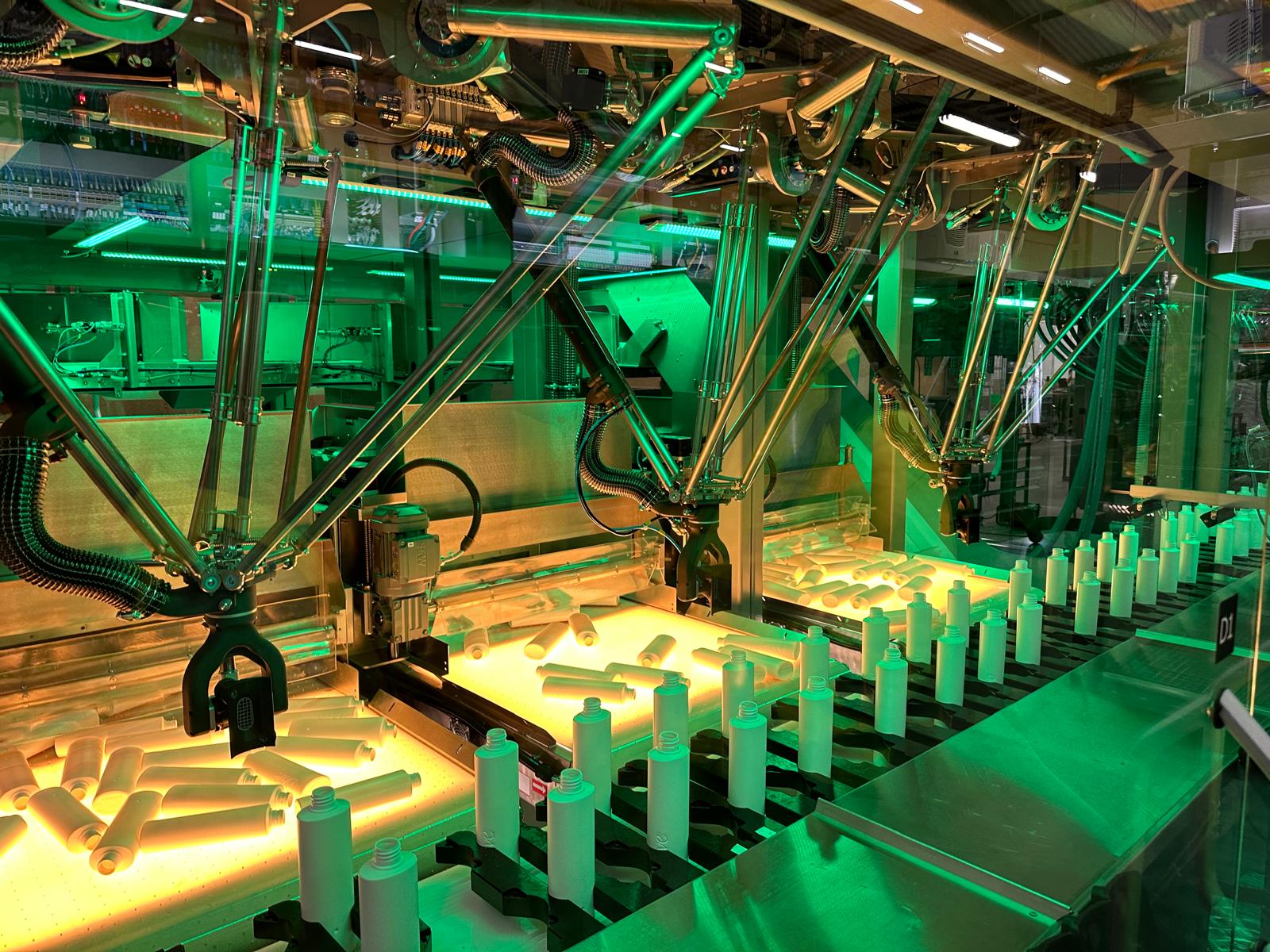
Automation is familiar in everyday settings, from ticket machines to self-service checkouts. In manufacturing, it is particularly relevant to repetitive physical activities such as:
- Loading and unloading machines.
- Packaging products.
- Moving and storing finished goods.
Machines frequently perform work that is physically demanding or monotonous, or that requires precision and repetition beyond human capabilities. The repetitive nature of these activities makes them particularly suitable for automation.
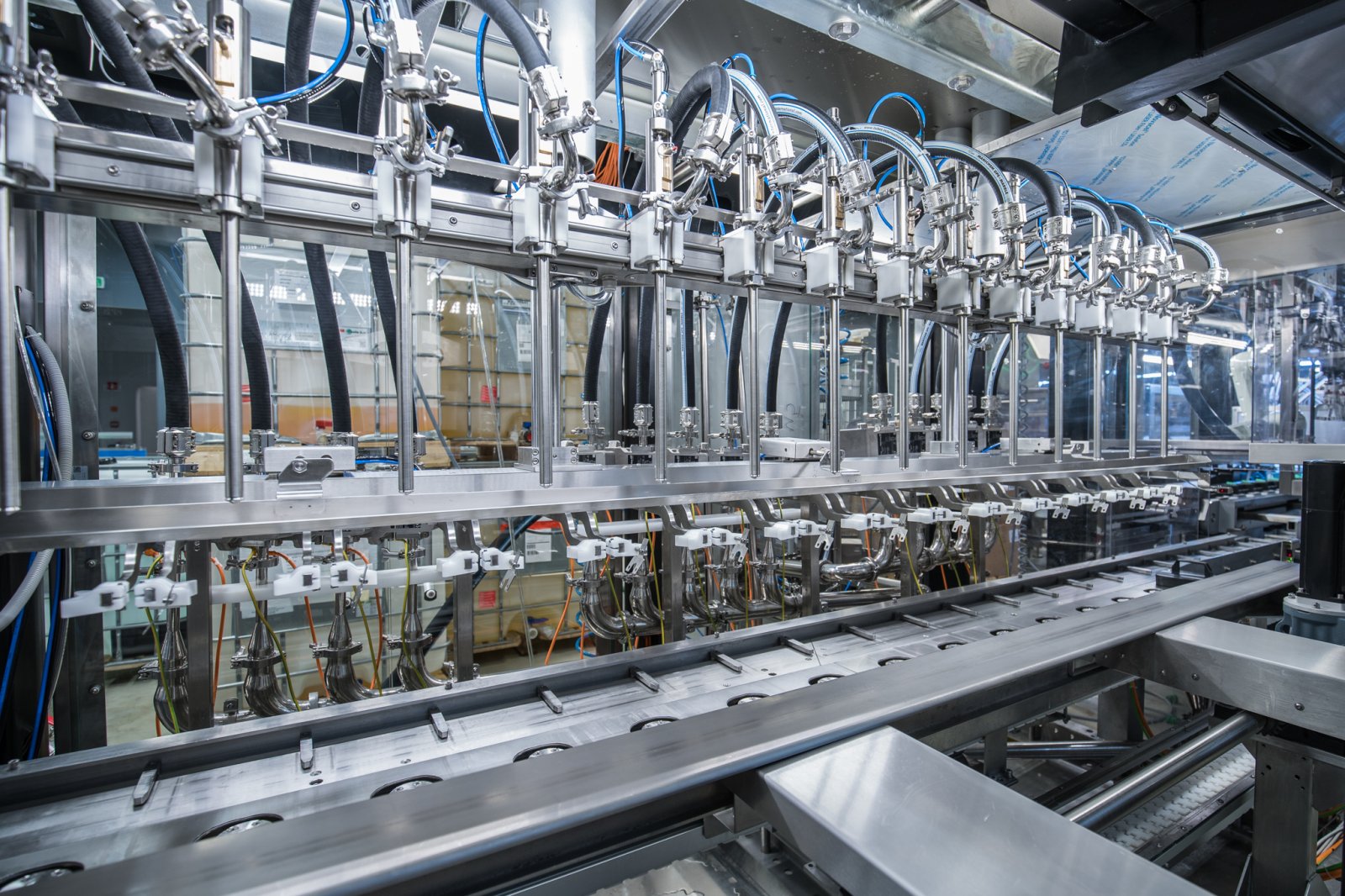
Depending on the characteristics of the process, automation may cover individual stages or the complete process.
Does automation reduce employment?
Automation can replace workers at existing workstations. When machines replace human labour because of their greater productivity and the resulting financial benefits for a company, this can lead to technological unemployment.
At the same time, automated equipment needs to be programmed, commissioned and serviced, and usually requires human supervision. These requirements can create jobs and opportunities for production workers to develop their skills. Economic growth resulting from production automation may also generate additional employment.
According to 2019 statistics cited in the original discussion, 87% of Polish employers expected employment to remain stable or increase in connection with automation. This figure describes employer expectations at that time, rather than subsequent employment outcomes.
Nevertheless, the prospect of substantial displacement is presented as more realistic than a transition involving little employment disruption and straightforward redeployment. Falling purchase and implementation costs for robotic solutions, alongside rising labour costs, encourage manufacturers to automate simple tasks. Although new technical roles may absorb some displaced workers, there is no guarantee of a replacement job for everyone.
Preparing workers for automation
The wider transition towards automated production unfolds over time, giving employees an opportunity to prepare by improving their skills. Programming, servicing and supervision are areas in which automation can create demand for human work.
Education providers also need to keep pace with industrial change. Providing relevant knowledge and qualifications can help future workers prepare for employers’ changing requirements and reduce the negative social effects of automation.
The original discussion reports that most Polish employers were already ready to introduce automation or had begun doing so. It also identifies the pandemic as an accelerator, as companies recognised that machines were not directly affected by the same health-related disruptions as people.
The employment outlook
Production automation can increase manufacturing efficiency and accuracy, contributing to higher profits. Those benefits must be considered alongside its effects on workers and employment.
The overall employment outlook in the original discussion is predominantly negative: it reports that most experts expect a negative impact on employment. New jobs and opportunities for skills development are important, but they may not compensate for all the roles lost through automation.
Continued learning and education aligned with industrial requirements can help people prepare for the changing labour market. Preparation matters, but it should not be treated as a guarantee that every displaced employee will find a new role.
Selecting production automation solutions with workforce planning in mind
When considering production automation solutions, manufacturers should assess which tasks could be automated and which responsibilities would remain with employees. If automation is to cover only selected stages, workforce preparation should reflect that scope. For an automated production line, planning should also consider the skills needed for programming, commissioning, servicing and human supervision. To discuss options for your production process with Unilogo, use its contact form to reach its specialists.