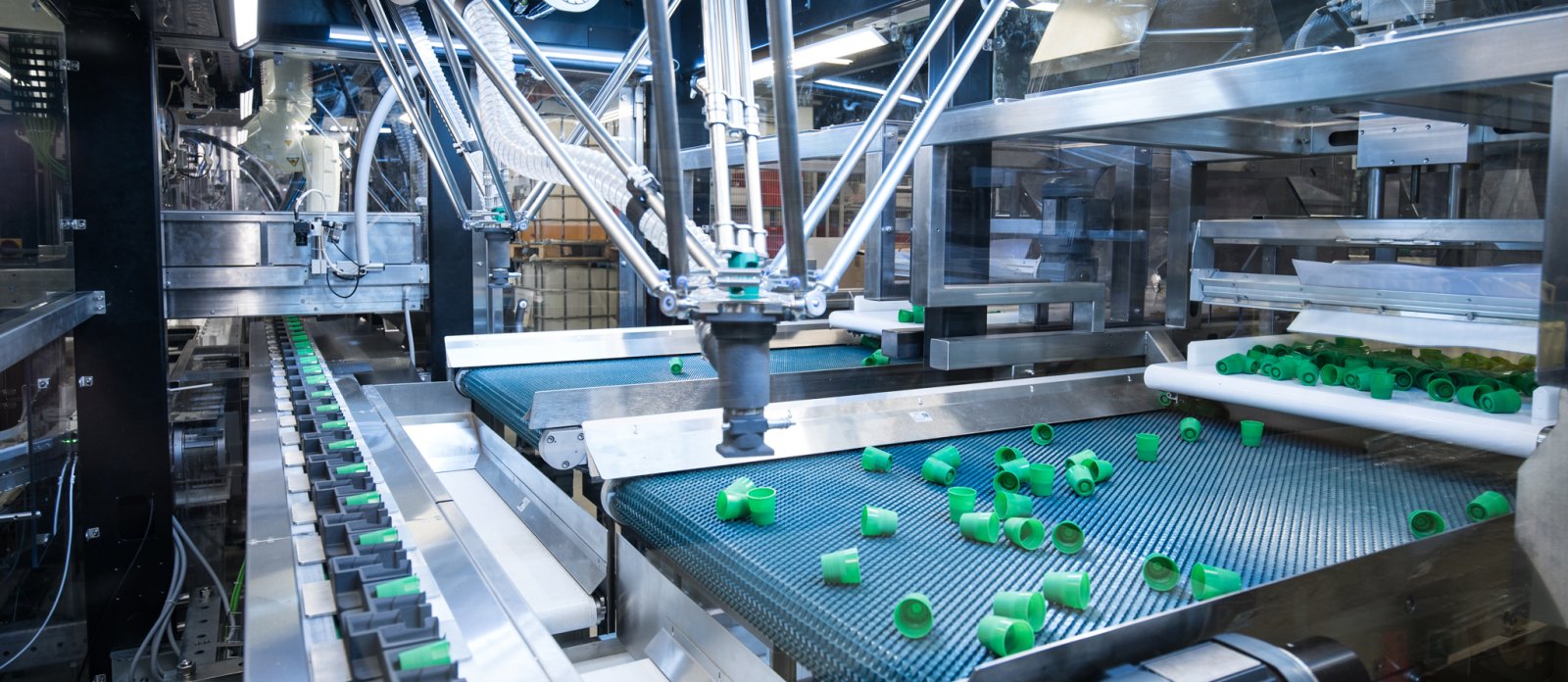







Industry 4.0 connects machines, information systems and people. Learn how manufacturing data supports quality control, traceability, planning and maintenance.
Industry 4.0 connects industrial equipment, information systems and people so that manufacturing data can support process improvements. An intelligent manufacturing system brings these elements together to collect, exchange and analyse information.
The concept extends beyond production itself. It links manufacturing with activities such as quality control, raw-material ordering, warehousing, distribution and company management.
Table of contents
- What is Industry 4.0?
- How does Industry 4.0 work?
- Industry 4.0 benefits and implementation considerations
- Industry 4.0 summary
What is Industry 4.0?
Industry 4.0 refers to the fourth industrial revolution. It involves communication between industrial devices to collect data that can be used to optimise manufacturing processes.
It follows three earlier stages of industrial development:
- First industrial revolution: mechanisation and the introduction of the steam engine, beginning in the second half of the 18th century.
- Second industrial revolution: electrification and the introduction of mass production.
- Third industrial revolution: digital transformation and increasing production automation using computers.
The fourth industrial revolution creates an ecosystem linking cyber-physical systems, business IT, production workers and management. Its central purpose is to enable information to flow between these components.
Internet connections and other IT solutions allow data to be stored, processed and analysed in real time. This enables teams to respond quickly to detected irregularities and supports continuous improvement, higher productivity and increased production profits.
How does an intelligent manufacturing system work?
Industrial automation integration connects production equipment and information systems so that data can flow across the company. Rather than focusing only on an automated production line, Industry 4.0 encompasses the wider chain of activities involved in delivering a product to market.
Artificial intelligence and cloud computing can support activities from raw-material ordering to the storage and distribution of finished products. Information from different stages of manufacturing can help coordinate production and logistics.
Quality control and batch traceability
A direct connection between production and a laboratory or quality-control department can enable production to stop quickly when data analysis reveals product defects. This can save time and money while reducing the risk of reputational damage caused by releasing defective products.
If a defect is discovered during warehousing or distribution, connected systems can help identify affected batches and support their withdrawal from the factory or a customer's warehouse. Linking production and logistics is particularly important where a rapid response to defects is essential.
Inventory and production planning
Artificial intelligence and cloud computing can use information from manufacturing stages to generate alerts about possible stock shortages. These alerts support production planning and help maintain supply chain continuity.
Maintenance and early fault detection
Automated production monitoring gives production staff access to equipment data, helping them recognise early signs of failure and respond quickly. This can support equipment maintenance and reduce the likelihood of failures and production downtime, which is considered a loss in lean manufacturing.
Industry 4.0 benefits and implementation considerations
Industry 4.0 is broad and flexible enough to be adapted to virtually any manufacturing industry and beyond. Its potential benefits include improved productivity, faster responses to quality problems, better production planning and a lower likelihood of equipment downtime.
The automotive sector illustrates the importance of production continuity. At its scale of production, even small interruptions can generate substantial losses, so manufacturers use solutions intended to protect against stoppages.
The results a company seeks depend on choosing algorithms that meet its requirements. Their selection should be carefully analysed because they form a basis for implementing Industry 4.0 and influence how internal processes are optimised. For production line modernization, this means aligning production automation solutions with the manufacturer's needs.
When the basics of Industry 4.0 were presented in 2011, concerns arose about widespread job losses. Skilled personnel nevertheless remain essential for a company to benefit from smart manufacturing.
Industry 4.0 summary
Industry 4.0 combines further digitisation and automation with an ecosystem connecting machines, information systems, workers and management. Rapid data exchange and analysis support continuous improvement across manufacturing, quality control and logistics. Detecting defective products and stopping production promptly can help save time and money. To discuss machinery requirements, use the Discuss Your Project form.