






Understand cosmetic GMP, the role of ISO 22716, and requirements for personnel, premises, equipment, documentation and quality control.
Good Manufacturing Practice (GMP) helps cosmetics manufacturers maintain consistent product quality through controlled working methods. It covers personnel, premises, equipment, materials and procedures, as well as production, quality control, storage and dispatch.
EN ISO 22716 provides guidance on cosmetic GMP, including how manufacturers can manage the human, technical and administrative resources that affect product quality.
What does GMP mean in cosmetics manufacturing?
GMP stands for Good Manufacturing Practice. In cosmetics manufacturing, these practices are designed to maintain production hygiene and prevent the manufacture of products that do not meet defined quality requirements.
GMP provides procedures for consistently manufacturing, inspecting and storing products. Its scope does not extend to the overall operation of a company, research and development activities or the distribution methods used for finished products.
ISO 22716: scope and documentation obligations
EN ISO 22716, Cosmetics — Guidelines on Good Manufacturing Practices, provides practical guidance on manufacturing, controlling, storing and shipping cosmetic products. It addresses the management of human, technical and administrative resources, while leaving manufacturers to determine how to meet its requirements within their operations.
Cosmetics manufacturers are required to comply with good manufacturing practices. They must also prepare documentation describing their GMP-aligned production principles and make it available to the relevant quality-control authorities.
Practical GMP principles for cosmetic manufacturers
Personnel knowledge and training
Everyone involved in cosmetics manufacturing should have appropriate knowledge of the production, control, storage and transport activities relevant to their work. Training should be tailored to each level of responsibility, recognising that operators and managers have different requirements.
Premises and production hygiene
Premises should be located, arranged, constructed, maintained and operated in ways that protect the manufactured product. They should be easy to clean and allow disinfection.
The layout should also minimise the risk of errors and mix-ups involving products or raw materials. These arrangements support the wider GMP objective of maintaining production hygiene.
Equipment, raw materials and packaging
Cosmetic products should be manufactured using suitable equipment that can be easily cleaned and disinfected. Raw materials and packaging materials must meet defined quality criteria to support the quality of the finished product.
Manufacturing, packaging and quality control
Every production stage and each operation involved in manufacturing and packaging should follow GMP procedures. Storage, shipment and the handling of returned products also affect final product quality.
Quality-control tests should establish whether raw materials and finished cosmetic products meet their quality requirements. Materials or products should be approved for use or distribution only when those requirements are met.
Waste, complaints, returns and recalls
Waste from the manufacturing facility should be disposed of hygienically and according to an established plan.
Products subject to complaints should be examined or tested, and their manufacturing process analysed. The manufacturer should take action where necessary, which may include a product recall. Procedures should also address returns and define complaint-handling arrangements with suppliers and subcontractors.
GMP implementation, audits and certification preparation
For manufacturers preparing their quality system for assessment, implementation begins with documentation that meets the standard's requirements. This includes system procedures, operating instructions and the necessary forms.
The main preparation steps are:
- Prepare the procedures, instructions and forms needed for the GMP system.
- Train employees in the requirements relevant to their responsibilities.
- Implement the procedures across the activities involved in cosmetics manufacturing.
- Conduct an internal audit to assess conformity with ISO 22716 requirements.
- Correct any identified nonconformities and repeat the assessment as needed.
Documentation, staff training and internal auditing are therefore central topics for manufacturers preparing for GMP certification.
GMP principles in cosmetics manufacturing: summary
Good manufacturing practices bring together controls for personnel, premises, equipment, raw materials and packaging. They also address manufacturing operations, quality control, storage, transport, complaints and possible recalls.
Implementing these practices in line with ISO 22716 supports consistent product quality and repeatable manufacturing. Their effectiveness depends on applying the documented procedures throughout the relevant operations.
Selecting a cosmetic production line to support GMP procedures
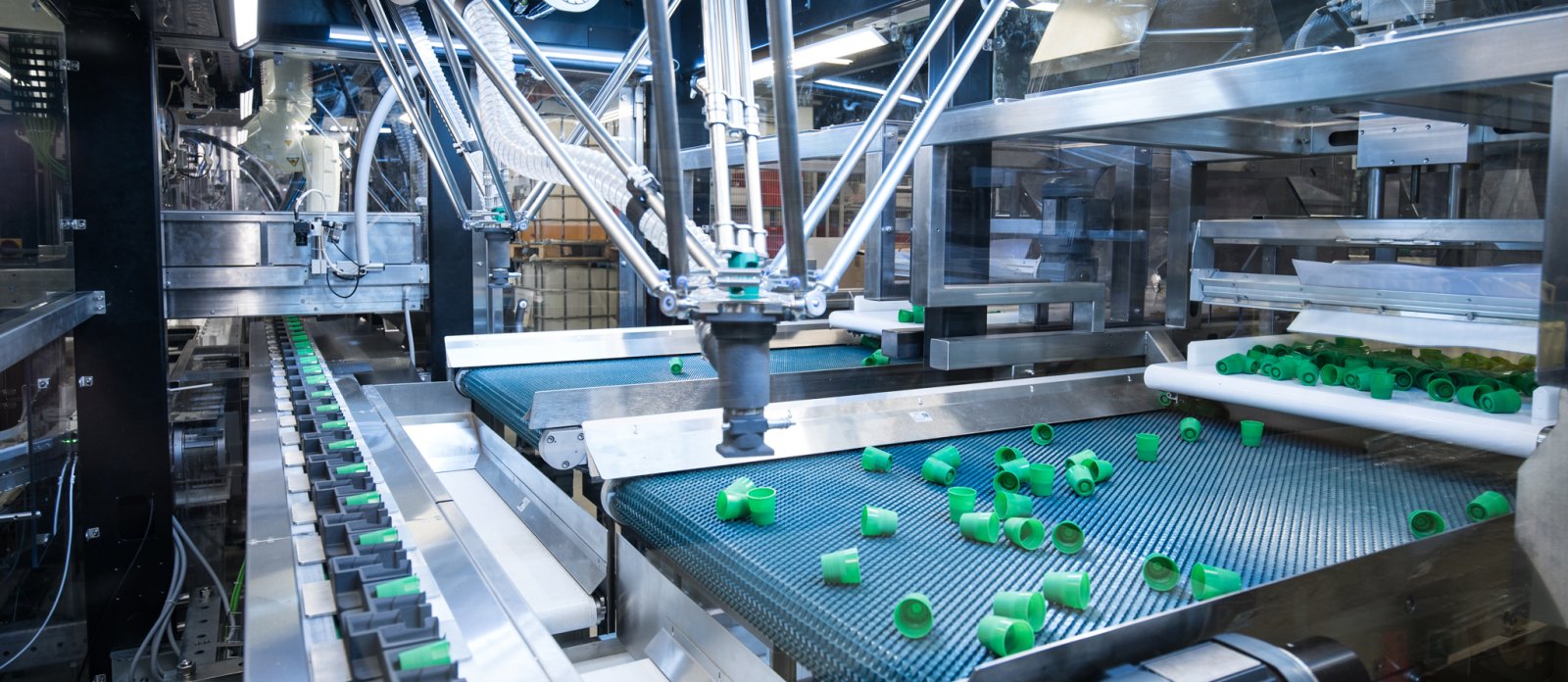
When planning a cosmetic production line, consider equipment suitability alongside the personnel, premises and procedures needed for manufacturing. For a cosmetic packaging line, review whether the proposed equipment would allow effective cleaning and disinfection within your planned operations. You should also consider whether its arrangement could help minimise errors and mix-ups involving products or materials. To discuss machinery selection for your facility, contact UNILOGO through the contact form.