






Explore industrial robot applications across manufacturing, from welding and material handling to robotic packaging automation, and learn what determines robot selection.
Industrial robots support manufacturing tasks across automotive, electronics, food, pharmaceutical and other industries. Applications range from welding and painting to material handling and robotic packaging automation. The right solution depends on the operation, required throughput, tooling and working environment—not simply the industry name.
This guide outlines the main robot designs, their potential production benefits and examples of where they are used.
- Benefits and limitations of industrial robots
- Main types of manufacturing robots
- Which industries use robots?
- Selecting a robot for your production process
Benefits and limitations of industrial robots
Robots can improve productivity by carrying out repetitive operations consistently over extended production periods. However, continuous operation depends on the complete system: maintenance, faults, material availability and changeovers can all interrupt an automated production line.
Precision, repeatability and production quality
Repeatable robot movements can support consistent processing and handling. They do not eliminate defects on their own: product quality also depends on tooling, materials, process settings and the condition of the equipment.
Operating speed varies with the task and robot configuration. Large robots carrying heavy tooling or products may need to move more slowly because of the inertia associated with those loads. A faster robot is therefore not automatically the most appropriate choice.
Versatility through application-specific tooling
A robot fitted with suitable tools can perform different operations, making it a flexible option for some production tasks. Its usefulness compared with dedicated non-robotic equipment depends on the application. Robot design, tooling and integration must be considered together when assessing production automation solutions.
Reducing exposure to demanding work
Robots can reduce the need for people to perform repetitive lifting or enter hazardous working areas. Repeated handling of even relatively light loads can create an ergonomic burden, making material handling a relevant automation application.
These benefits require an appropriate risk assessment, safeguarding and system integration. Working with harmful substances or hot products also requires equipment and tooling designed for the specific conditions; robots are not inherently safe or universally resistant to harsh environments.
Main types of manufacturing robots
Robot selection depends on the required movements, throughput and tooling load. Articulated, Cartesian, SCARA and delta designs offer different motion arrangements, with variations within each category.
Articulated robots
Articulated robots consist of linked segments connected by rotary joints. Many industrial models have six axes, although other configurations exist. Applications include welding and painting in automotive manufacturing, as well as palletising and handling tasks in food production.
Cartesian robots
Cartesian robots move along linear axes, typically corresponding to left–right, forward–backward and up–down movement. They can be used for packing products and transferring items between positions, including suitable handling applications in healthcare-related production.
SCARA robots
A typical SCARA robot combines two rotary arm joints with vertical movement and tool rotation. This arrangement supports product transfer and positioning tasks. Suitability depends on the required movement, product and tooling rather than on a general assumption that one design fits every industry.
Delta robots
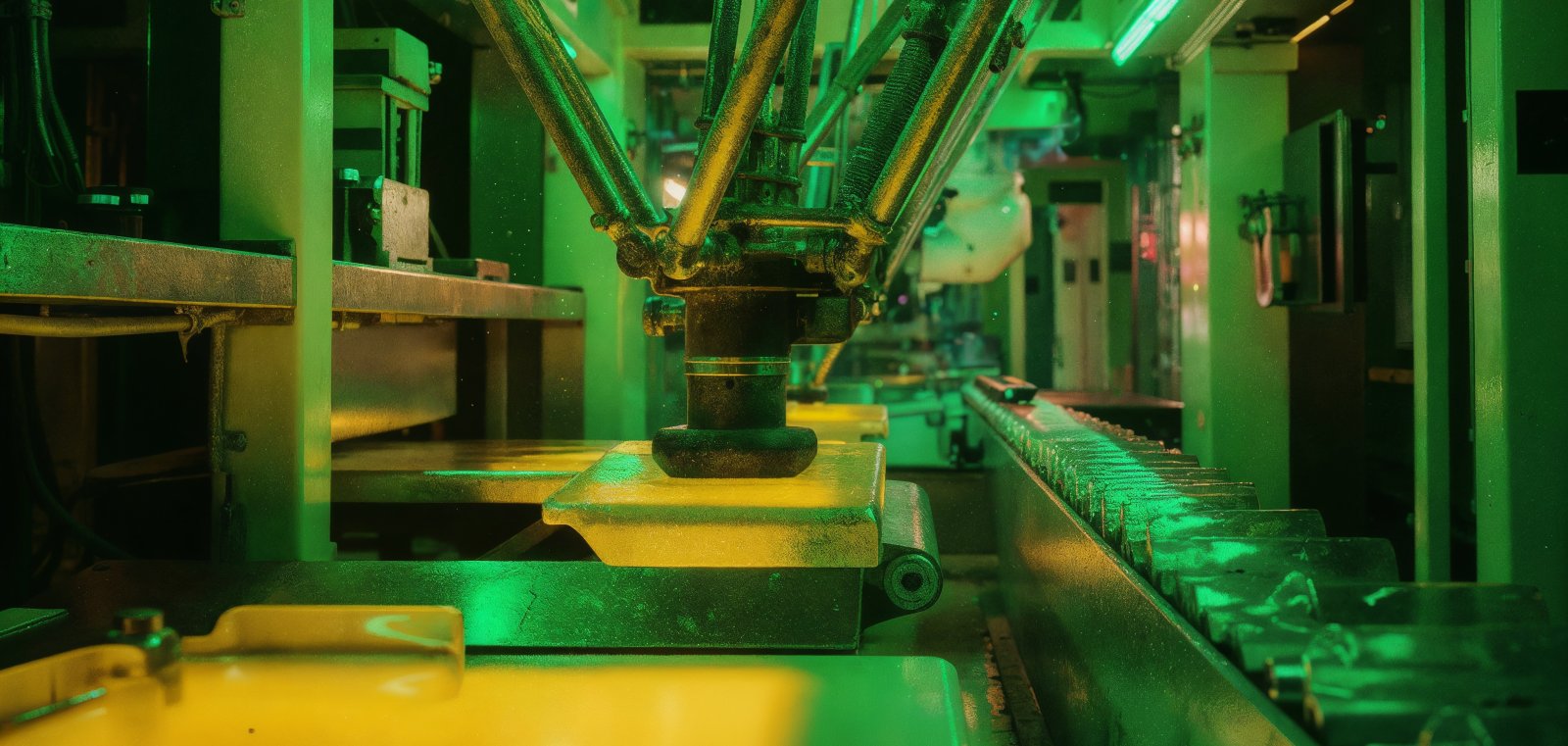
Delta robots are commonly mounted above a production line. A typical configuration uses three parallel arm assemblies connecting a fixed base to a moving platform, where a gripper or other tool can be attached. Designs vary.
They are used for picking and transferring products, including food-handling applications. Potential agricultural or healthcare-related tasks require application-specific assessment; the robot design alone does not establish suitability.
Which industries use robots?
Automotive, electronics and household appliances
Automotive applications include welding and painting vehicle bodies. Electronics, audio/video equipment and household appliance manufacturing also use robots for production and assembly tasks.
Precision can be valuable in electronics handling and assembly, but suitability for complex integrated-circuit work depends on the particular process, tooling and equipment requirements.
Furniture manufacturing
Furniture manufacturers use robots for material handling, cutting and varnishing components. Each task requires a matching tool and an assessment of the workpiece, movement and processing conditions.
Agriculture, food and pharmaceuticals
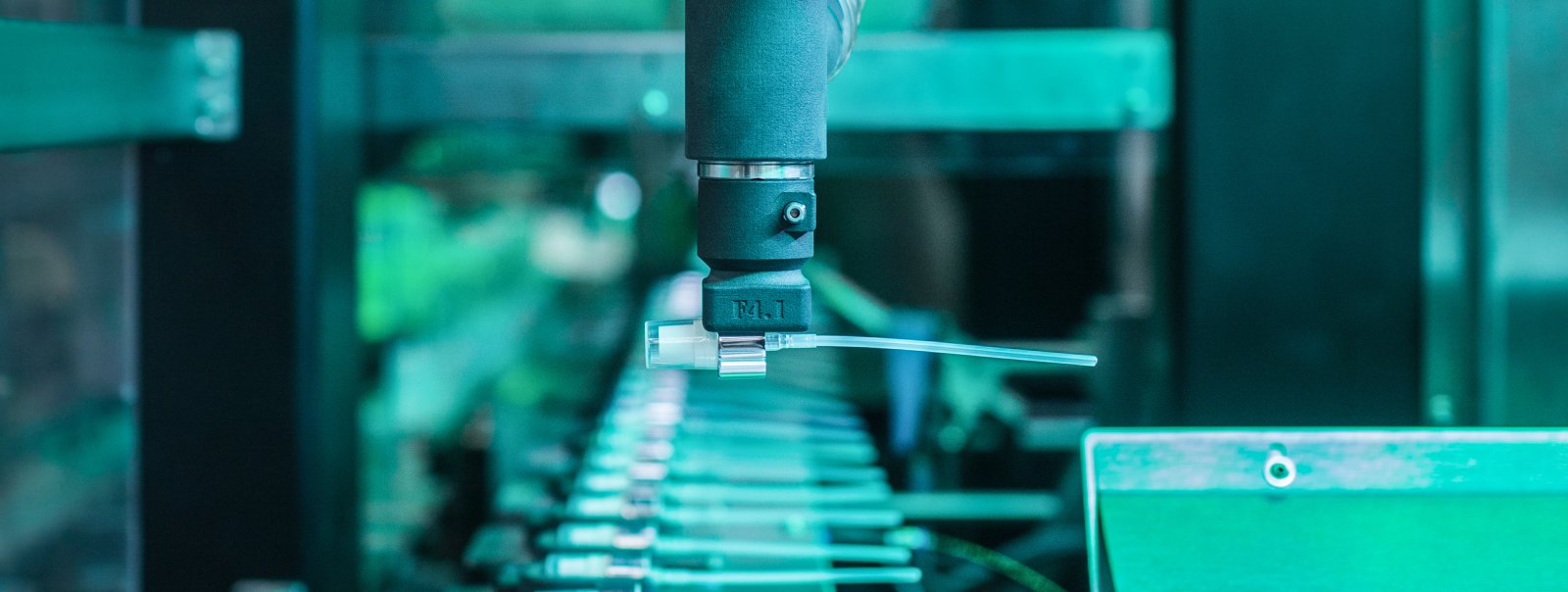
Agricultural applications include sorting vegetables. In food and pharmaceutical production, robots can support sorting, product transfer and package closing.
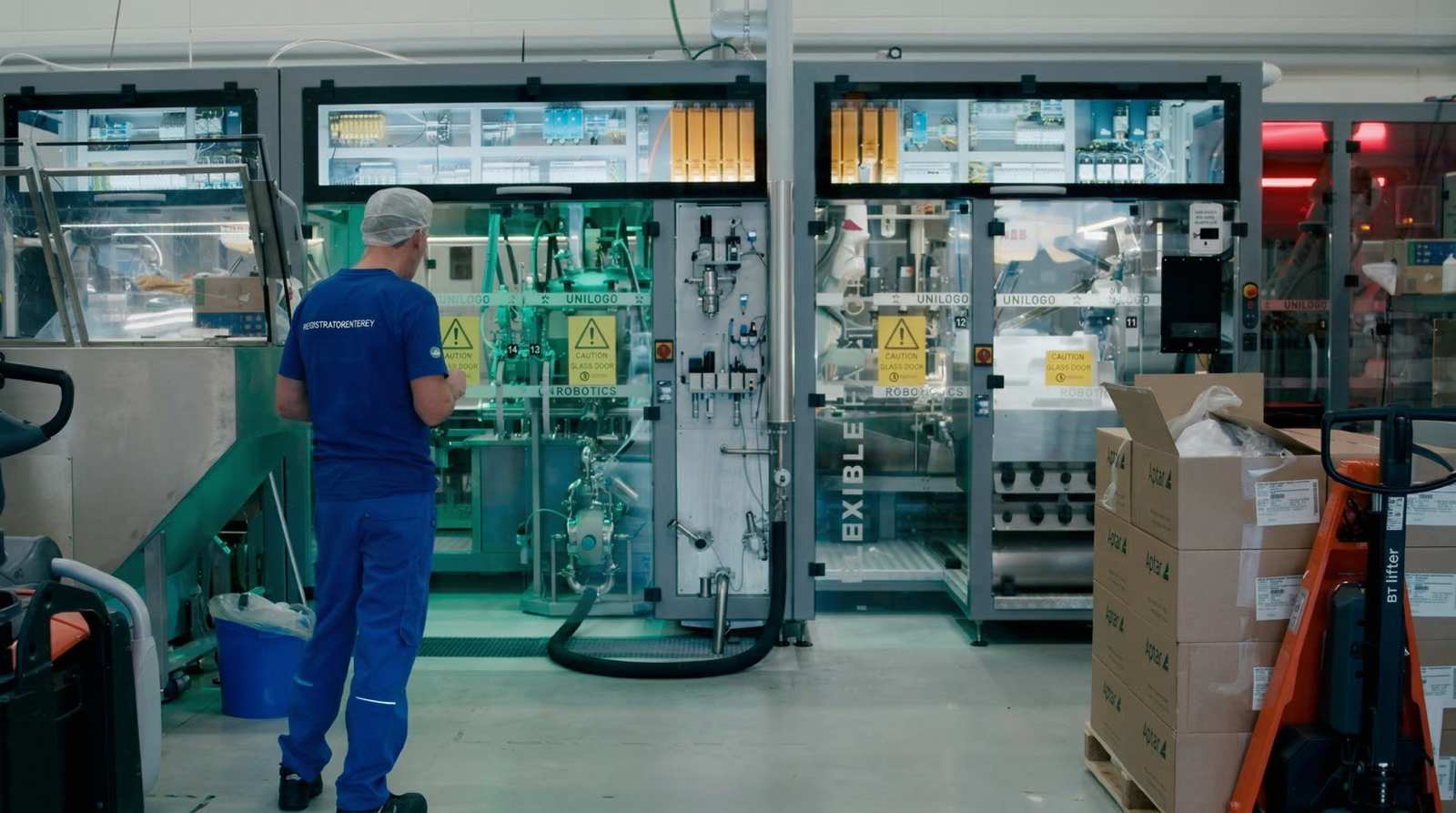
Robotic packaging handling can form part of a wider system of automated packaging machinery, alongside packing and palletising operations. The handling method must suit the product and package.
Hygienic requirements vary by product and process. Cleanability does not establish sterility, and neither food nor pharmaceutical suitability should be assumed without verifying the equipment and the complete application.
Chemical, metallurgical and plastics processing
Robots can be used for dosing harmful substances, mixing and handling high-temperature finished products in chemical, metallurgical and plastics processing operations. These applications require verification of the robot's construction, protective measures and tooling against the actual exposure conditions.
Selecting a robot for your production process
Industrial robots serve many manufacturing sectors, but their value comes from matching the equipment to a defined task. Before selecting a system, establish:
- The operations and movements the robot must perform.
- The required throughput.
- The combined load of the tooling and handled product.
- The working environment, including heat, substances and hygiene requirements.
- The safeguarding and integration requirements of the complete installation.
Whether the project involves welding, material transfer or robotic packaging automation, application-specific assessment is more useful than broad claims about speed or versatility.
To discuss whether a robotic application could work in your business, use the contact form. Specialists can help assess the task and identify an appropriate solution.