





Reducing beauty packaging waste requires better design, lower raw material use, effective collection and recycling, and clear guidance for consumers.
The beauty industry generates substantial plastic waste, only a small fraction of which is recycled. Reducing that waste requires changes in packaging design, collection systems, recycling processes and consumer behaviour. Cosmetics manufacturers also need to balance environmental goals with product protection, safety, appearance and usability.
Table of contents
- Why cosmetic packaging creates waste
- How packaging design can reduce waste
- Moving towards circular packaging systems
- Shared responsibility for beauty packaging waste
Why cosmetic packaging creates waste
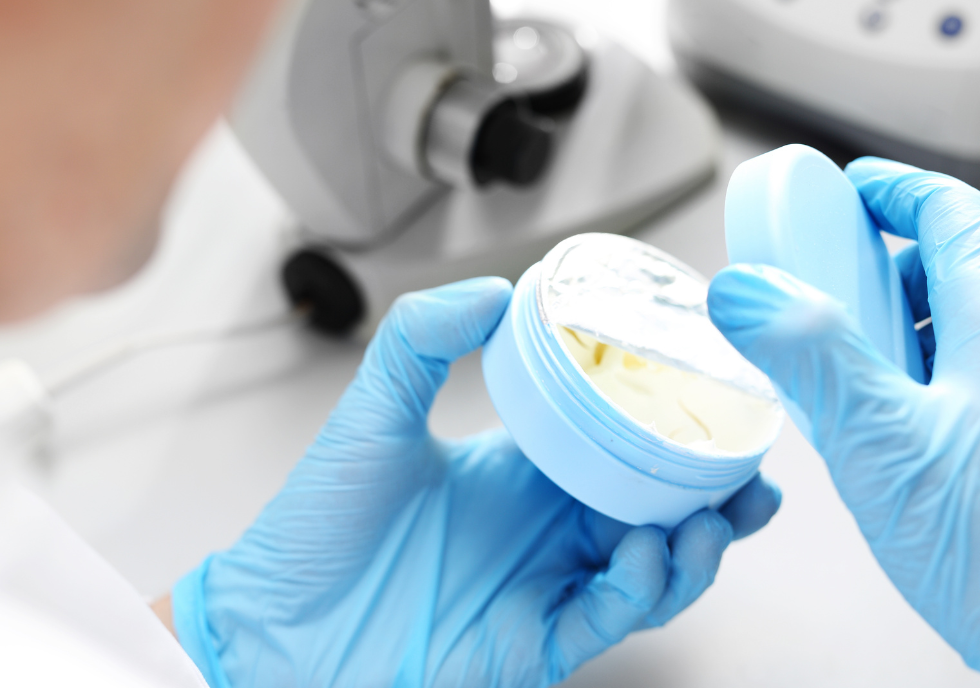
Plastic packaging is widely used in the cosmetics industry because it is lightweight, mouldable, leak-resistant and economical to manufacture. It also helps protect beauty products against bacterial contamination, oxygen and sunlight.
The waste challenge arises when a container reaches the end of its useful life. Beauty packaging often has a short service life: once the product has been used, the container is discarded. In a linear model, packaging is produced, used and thrown away rather than recovered for further use.
Immediately eliminating plastic packaging is not a realistic solution. The industry therefore needs to reduce the amount of waste it generates and change how used packaging is collected and recovered.
How packaging design can reduce waste
Reduce raw material use
Designing packaging to require fewer raw materials is one way to reduce material consumption. However, packaging changes must still meet requirements for product safety, appearance and convenient use across the product range.
Changes can also affect consumer perceptions. For example, recycled plastics can make packaging less rigid, which some customers may interpret as lower quality. Consumer education can help explain the reasons behind such changes and support informed purchasing decisions.
Consider recyclability and clear disposal guidance
Biodegradable packaging is one direction for development, but it is not possible for every application. Making packaging easier to recycle is another important goal, allowing materials to be recovered after use. PET bottles are one example highlighted as suitable for recycling.
Packaging design needs to be supported by clear labelling. Consumers should be able to understand which collection containers to use for their empty cosmetic packaging. Education also helps shoppers consider packaging when choosing beauty products.
Moving towards circular packaging systems
A circular approach moves away from the produce–use–discard model and towards recovering discarded packaging, including using recycled material to manufacture new packaging. Easier-to-recycle containers and biodegradable packaging are among the directions being pursued by the cosmetics industry.
Separate collection systems also need attention and improvement so that cosmetic packaging waste can reach facilities where it can be recovered. Simpler and more cost-effective recycling processes can encourage packaging manufacturers to adopt these approaches.
The European Strategy for Plastics set an objective for all plastic packaging entering EU markets to be suitable for reuse or cost-effective recycling by 2030.
Shared responsibility for beauty packaging waste
Reducing beauty packaging waste requires participation from cosmetics manufacturers, packaging suppliers and consumers. Manufacturers influence packaging design and material use, while consumers help through informed purchasing decisions and correct separation of used containers.
Further progress depends on developing packaging solutions alongside collection, recycling and consumer education. Environmental considerations will continue to shape how the beauty industry approaches its packaging.
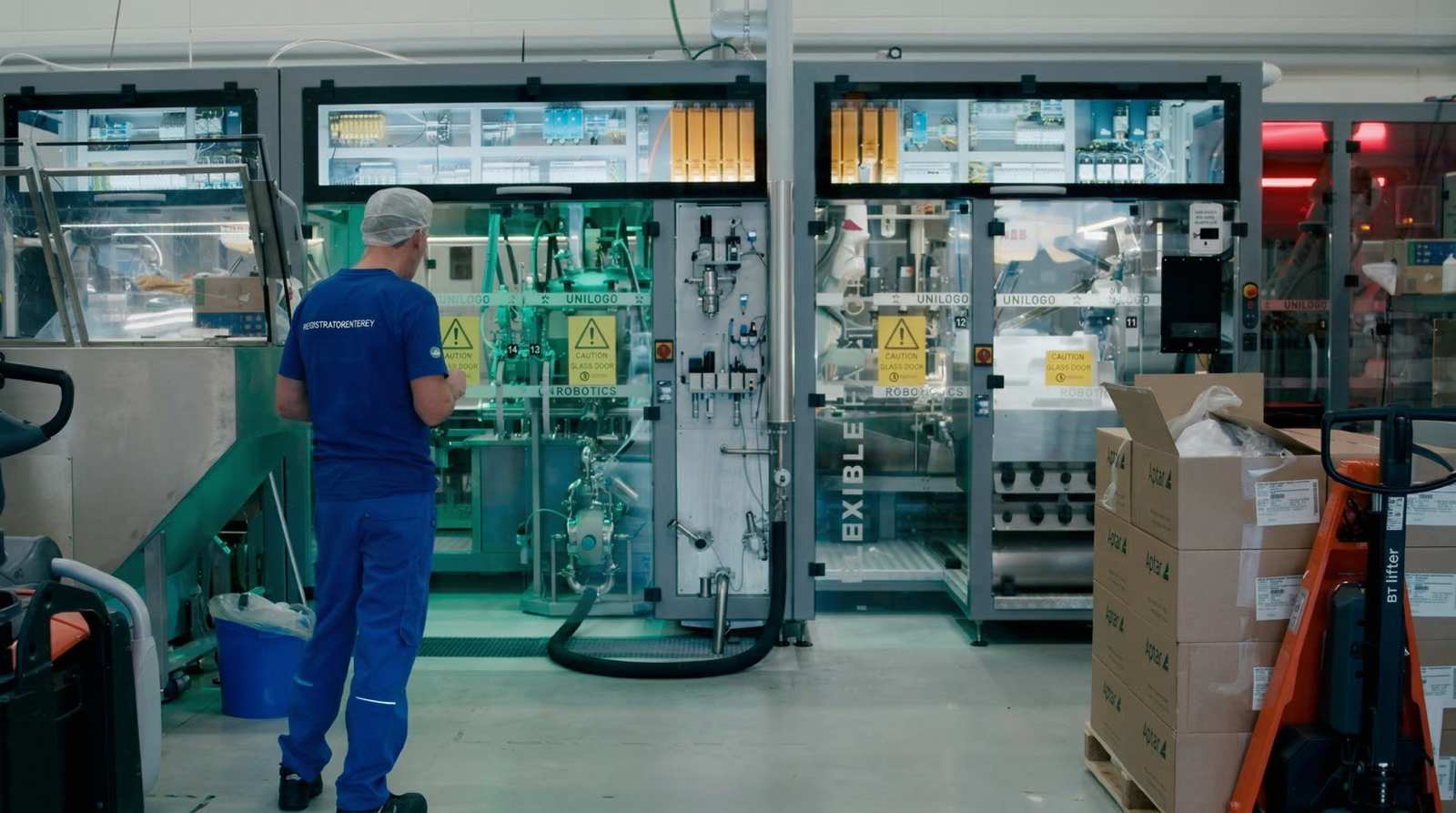
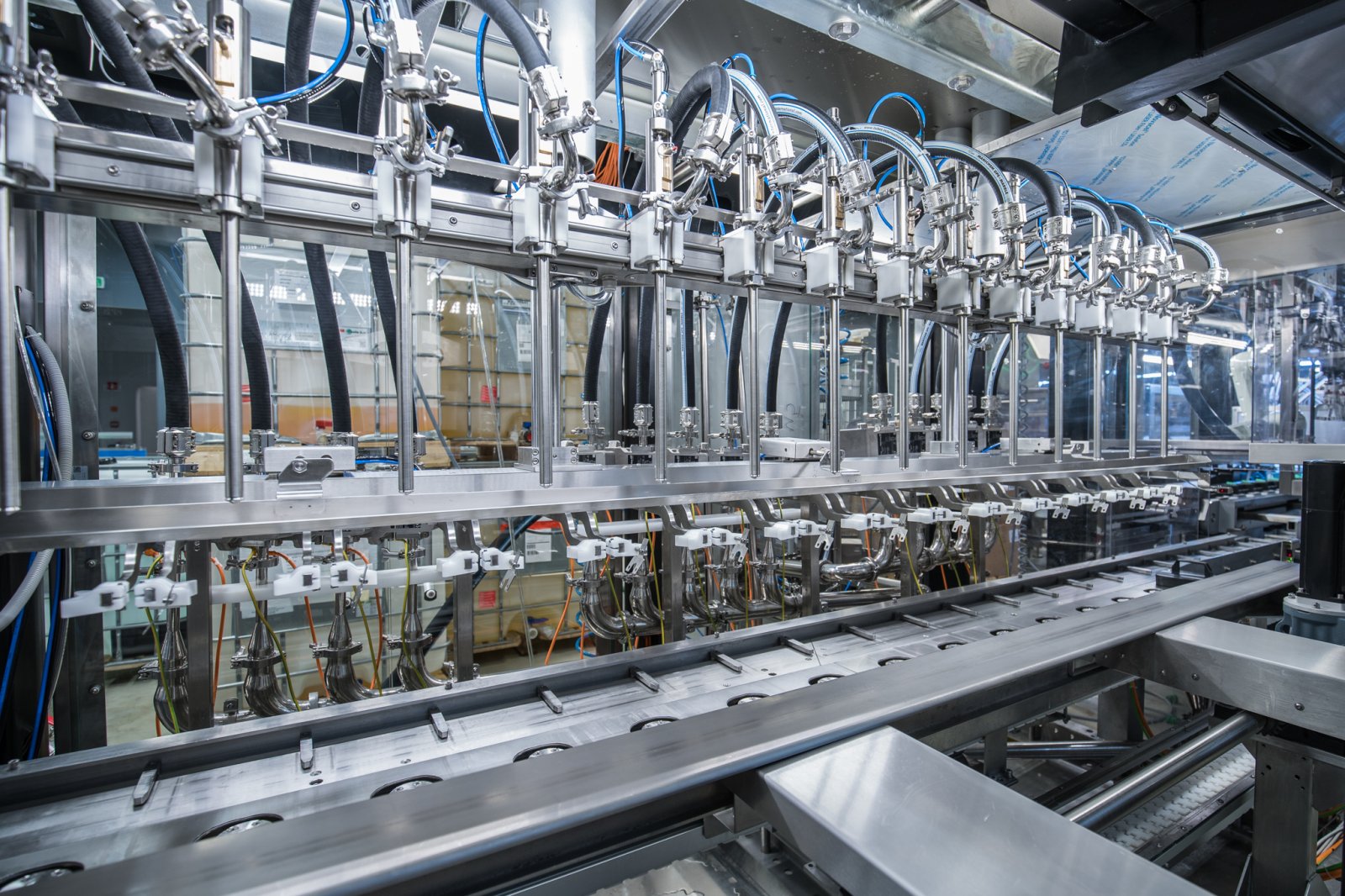
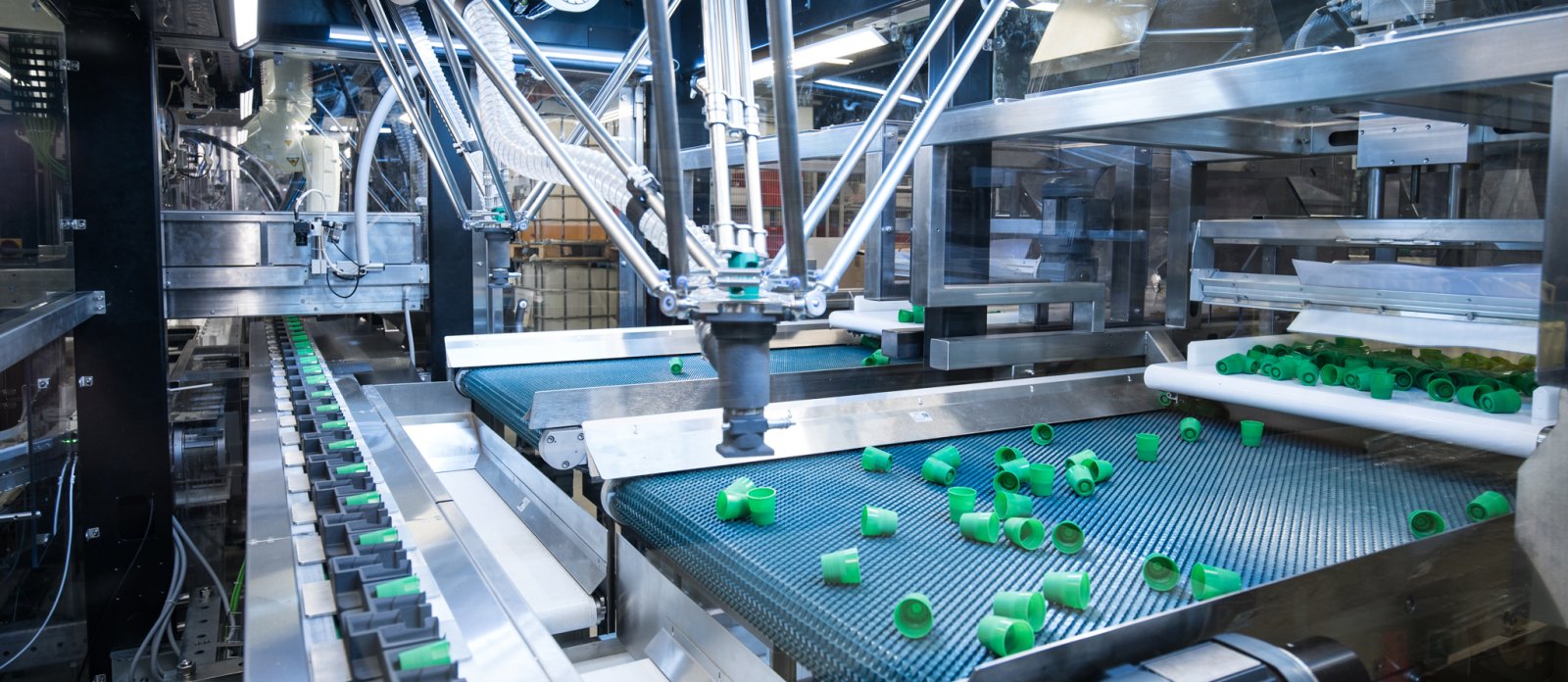
For enquiries about a cosmetic filling machine or cosmetic packaging line for beauty products, contact Unilogo through the Discuss Your Project form.