




Understand the difference between incorrect label information and application defects, and learn what to check when adjusting labelling equipment or specifying inspection systems.
Labelling errors fall into two main categories: incorrect product information and defects in label application. An automatic labelling line needs to address both, because a neatly applied label can still contain incorrect information, while accurate information may be difficult to read on a poorly positioned label.
Food, cosmetic and pharmaceutical labelling requirements differ by product category and destination market. Depending on the applicable rules and the seriousness of an error, incorrect labelling may lead to corrective action or product withdrawal.
- What does product labelling involve?
- Food label information: key checks
- Common labelling errors and application defects
- Selecting and checking labelling equipment
What does product labelling involve?
Labels help customers identify a product and understand its composition, intended use and storage requirements. They are especially important when the packaging prevents customers from seeing the contents. Label design also supports branding and helps distinguish products on the shelf.
The information required depends on the product. Food labels may include ingredients, allergens, nutrition information and date marking. Cosmetic products have their own information requirements. Some pharmaceutical products require unique identifiers for verification and traceability, but the scope depends on the jurisdiction, medicine category and applicable exemptions.
Labels can be supplied preprinted by an external printer or printed immediately before application on the production line. Printing at the point of application can provide alphanumeric text, barcodes or simple graphics, depending on the printing system.
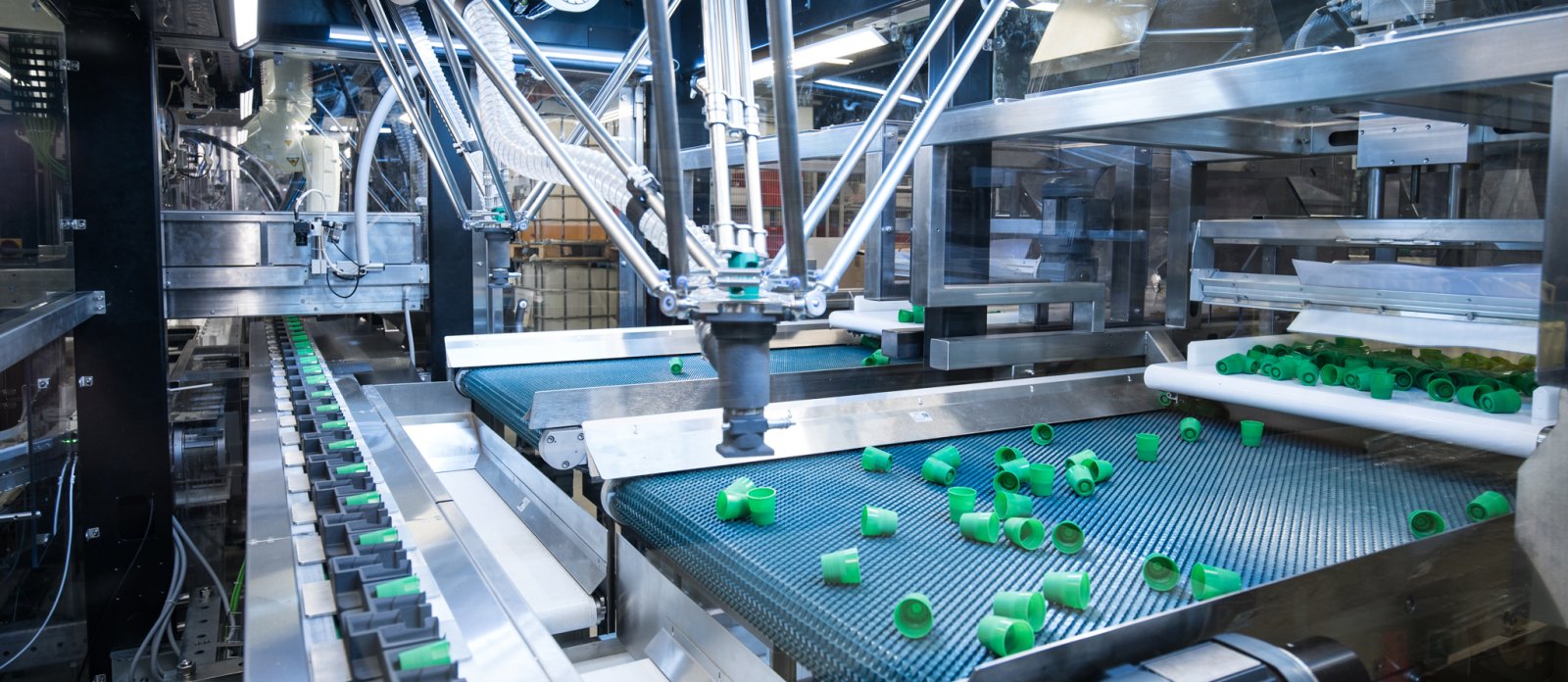
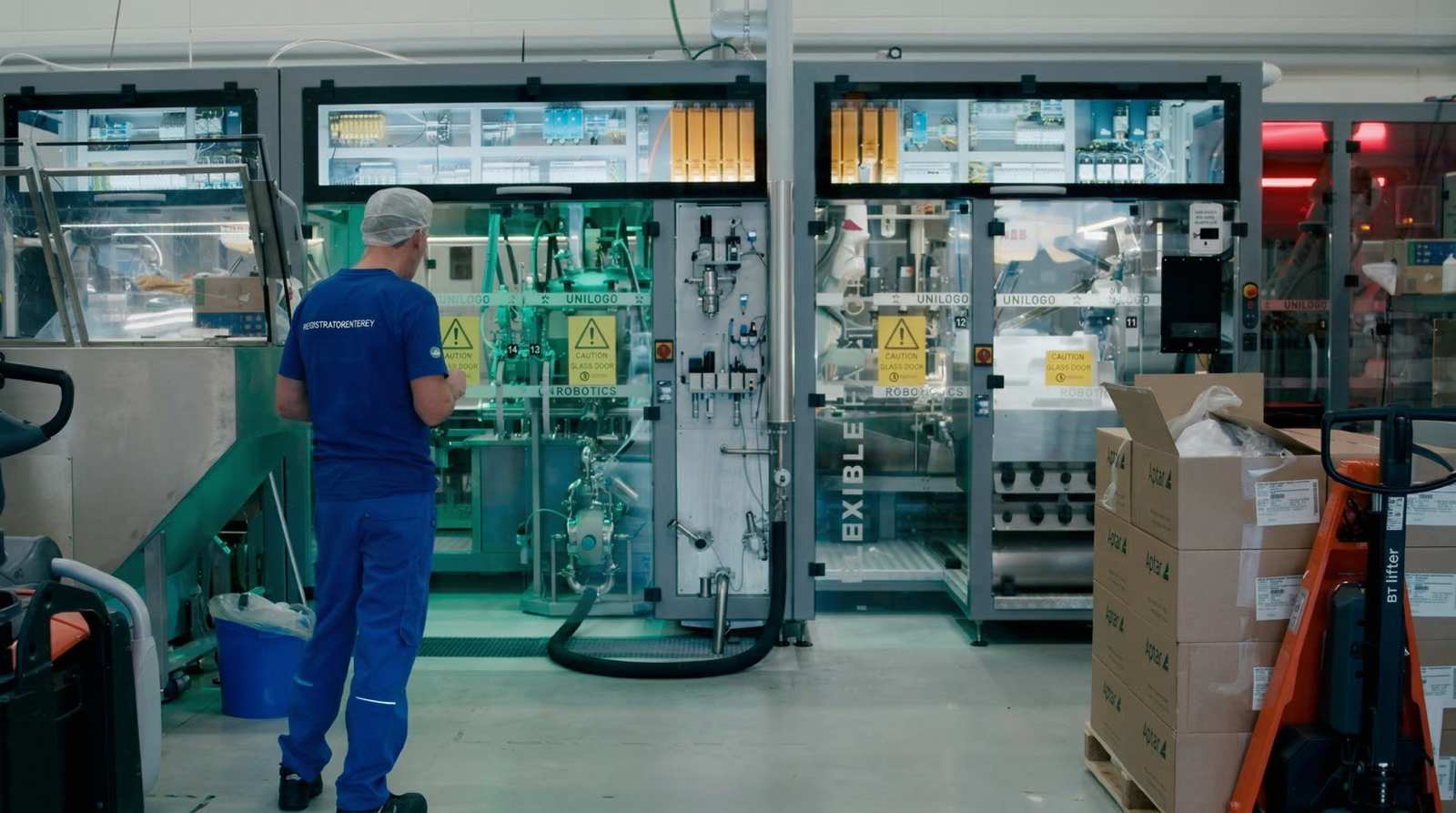
Labellers apply labels to packaging such as cartons, bottles, cans and other containers. Machine selection depends on the packaging geometry and application requirements. The source article identifies the UNILOGO Flexib;eline 70 with bottle and round-packaging applications; the current configuration and supported container geometries should be confirmed for each project.
Food label information: key checks
Food label approval should be based on the rules applicable to the intended market, rather than a universal checklist. Important areas to review include:
- Product name: use an appropriate legal, customary or descriptive name that does not mislead customers. Naming or highlighting an ingredient can trigger a requirement to declare its percentage, subject to applicable exceptions.
- Ingredients and allergens: confirm whether an ingredient list is required and which exemptions apply, including those relevant to certain fresh fruit and vegetables. Check allergen declarations and any required typographic emphasis.
- Nutrition information: verify the required fields, exemptions and presentation format. Fibre and vitamins are not universally mandatory declarations. Whether a table or linear presentation is permitted depends on the applicable rules and available space.
- Net quantity: check the declared amount and whether it should be expressed by weight or volume.
- Date marking and storage: distinguish between “best before”, which generally concerns minimum durability and quality, and “use by”, which concerns safety for highly perishable foods. These terms are not interchangeable.
For example, whether “peach yoghurt” is a misleading name depends on the formulation, accompanying flavour descriptions and applicable naming rules. The name and ingredient declaration should therefore be reviewed together.
Common labelling errors and application defects
Incorrect label information
Information errors can involve the product name, composition, manufacturer details, quantity or date marking. They require a review of the approved label content; adjusting the applicator cannot correct an error already printed on the label.
Physical application defects
Application defects include labels placed in the wrong position, applied in the wrong orientation or not fully adhered to the container. Incorrect machine settings or insufficient application accuracy can contribute to these problems.
When investigating a defect, compare the applied label with the intended position and orientation, check adhesion, and review the machine adjustment for the packaging concerned. Keep this investigation separate from the approval of label information.
Inspection and rejection
Machine vision inspection can support automated quality inspection by checking defined label characteristics. Where a suitable rejection system is installed and configured, products identified as incorrectly labelled can be removed from the line.
Detection depends on the inspection system, its configuration and the defects it is designed to identify. Neither vision inspection nor automatic rejection should be assumed to be present on every line, detect every error or guarantee regulatory compliance.
Selecting and checking labelling equipment
Effective packaging line quality control combines approved label information, appropriate equipment adjustment and checks on the finished package. These measures address different risks and should not be treated as substitutes for one another.
When selecting an automatic labelling line, discuss the product, container geometry, label position, orientation and adhesion requirements with the equipment supplier. If inspection and rejection are required, define which defects the system must identify and confirm the proposed functions before purchase.
For help investigating application problems or selecting equipment, contact the UNILOGO team through the contact form.