




Explore Agile as an evolution of Lean manufacturing, its customer-focused principles and the organisational changes needed for flexible production.
Agile manufacturing is an extension of Lean manufacturing, with a stronger emphasis on production flexibility. It focuses on adapting to changing customer requirements and market conditions while maintaining product quality and controlling costs. This approach is mainly intended for companies engaged in unit or low-volume production.
A flexible manufacturing system involves more than adaptable machinery. Agile also requires employees who understand the approach, teams able to organise their work and an organisation prepared to respond to opportunities and uncertainty.
- What is Agile manufacturing?
- Agile principles and their manufacturing applications
- How to implement Agile manufacturing
- Agile manufacturing and machinery flexibility
What is Agile manufacturing?
Agile manufacturing is a process-oriented approach to organising production so that it can adapt quickly to customer expectations and market realities. Its aim is to introduce rapid changes that have tangible effects on production processes and company operations.
Often described as an evolution of Lean manufacturing, Agile shares Lean's focus on minimising waste. It places greater emphasis on flexibility, responding quickly to changing requirements and taking advantage of market opportunities. Companies adopting this approach must also be ready to respond to risks and market volatility.
The main principles include:
- Responding quickly to market volatility and uncertainty.
- Developing the company's core competencies.
- Delivering products tailored to customer needs and expectations.
- Combining different technologies.
- Integrating internal and external activities.
- Focusing on customer satisfaction.
- Supporting self-organising employee teams.
Agile principles and their manufacturing applications
In 2001, a group of software developers produced the Manifesto for Agile Software Development. Although it relates specifically to software, its principles can also be applied to manufacturing.
The manifesto gives greater importance to:
- People and interactions than processes and tools.
- Working software than detailed documentation.
- Cooperation with customers than contract negotiation.
- Responding to change than following an agreed plan.
For manufacturing companies, these priorities translate into involving customers in design and production, responding quickly to their needs, tailoring products to individual requirements and keeping production ready for rapid reconfiguration. The emphasis is on the desired end product and the ability to respond to changing customer expectations.
How to implement Agile manufacturing
Introducing Agile requires a change in how employees approach their responsibilities. Preparation should address the whole organisation rather than only individual production practices.
1. Establish a shared understanding
Before implementation, ensure that employees understand what Agile means for the organisation. A poor understanding of its principles can cause disappointment and make difficulties during the transition harder to manage.
2. Avoid adopting only the easiest practices
Introducing only those Agile practices that are easiest to implement can reduce the effectiveness of the transformation and create dissatisfaction within the organisation. The change should address the approach as a whole rather than rely on half-measures.
3. Prepare employees before implementation
Educate employees about the new system before introducing it. Teams need to understand why the change is necessary and how extensive it will be. Moving from a traditional mindset towards greater flexibility can be difficult, so employees should be introduced to the changes gradually.
4. Analyse needs, goals and capabilities
Assess the company's needs, objectives and capabilities before implementing Agile methods. Take account of market and industry characteristics, the existing work culture, and both the advantages and disadvantages of the transition. A thorough analysis can help the company navigate the period of change.
5. Evaluate and adjust continuously
Introducing Agile principles is only the beginning. Continue analysing how effectively the available tools are being used and respond quickly when problems arise. Ongoing change is part of the approach, not a separate stage after implementation.
Agile manufacturing and machinery flexibility
Agile manufacturing brings together customer focus, organisational flexibility and production readiness. Achieving this flexibility involves changes to the company hierarchy, decentralised management and teams capable of organising their work independently.
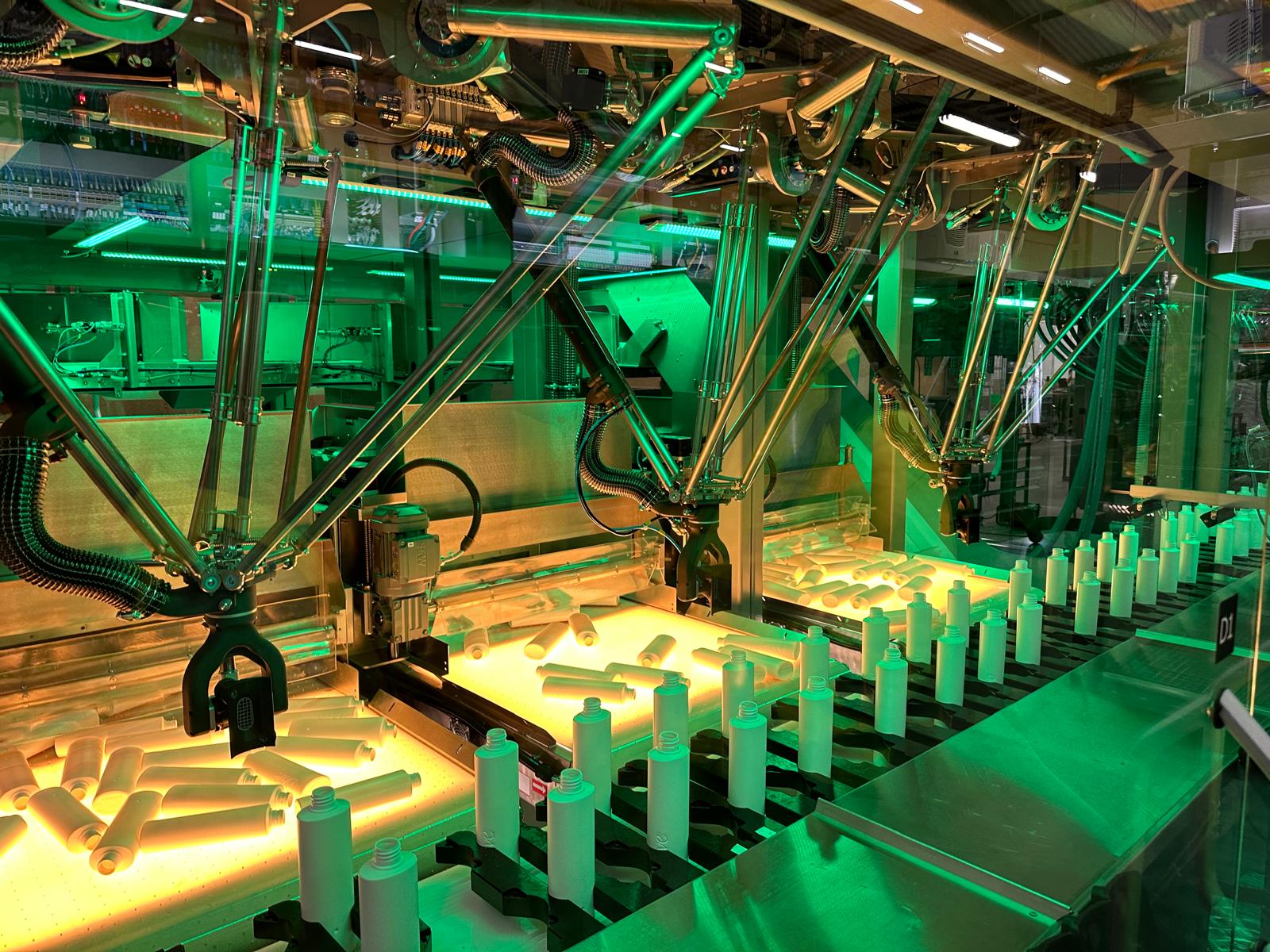
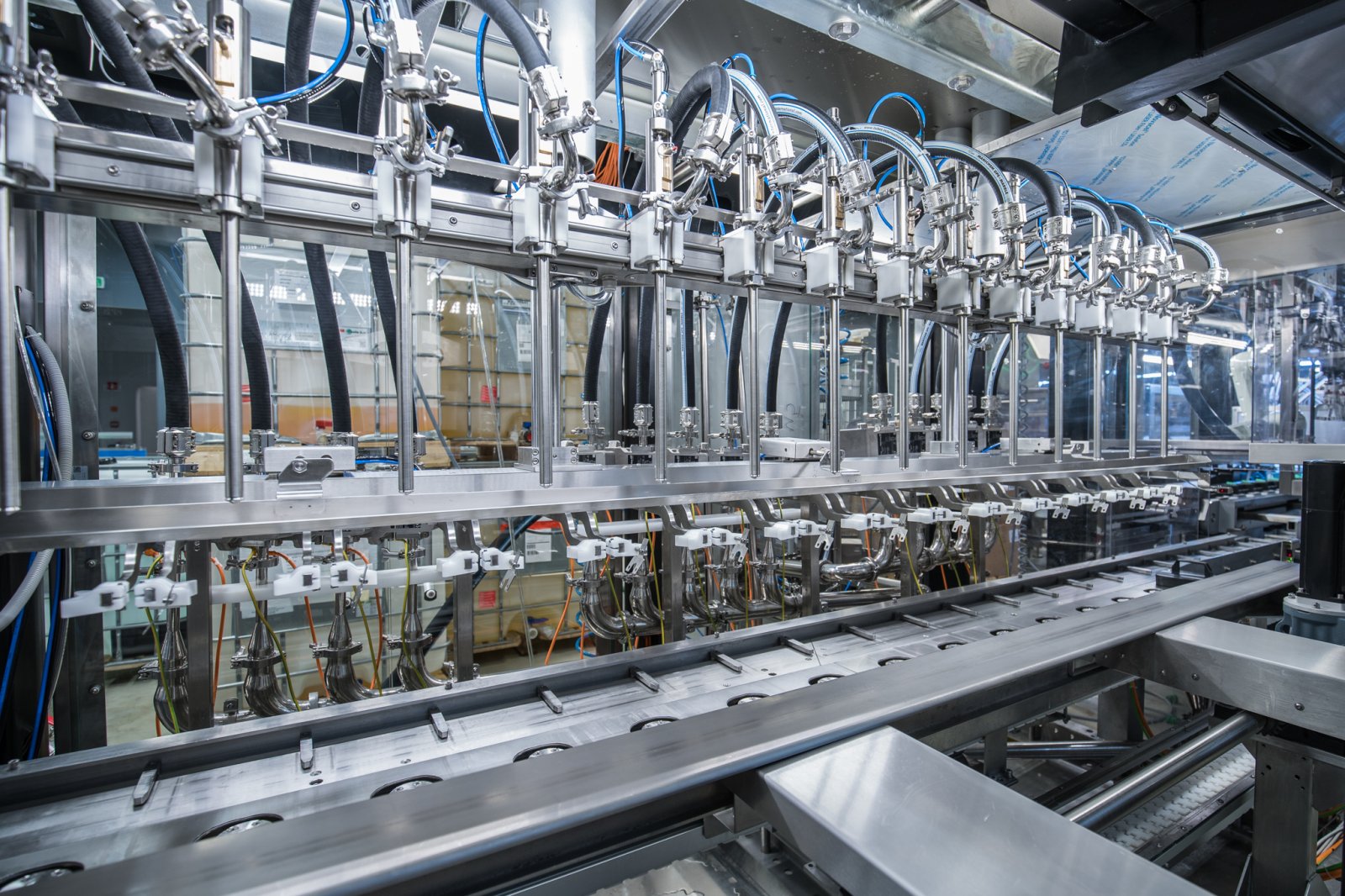
Suitable machinery may also be necessary. A flexible production line should be able to adapt quickly to new production requirements. The Flexibleline 70 production line from Unilogo is an example of equipment that allows short changeover times.
Companies considering machinery for this approach can use Unilogo's contact form to discuss their requirements with specialists and receive help selecting a suitable solution.