





Explore perfume production from fragrance development and ingredient sourcing to blending, filling equipment and subcontract manufacturing.
Perfume production involves fragrance development, raw material sourcing, blending and packaging. The process combines research and formula development with specialised machinery for mixing, filling and closing bottles.
Companies can manage production themselves or subcontract all or selected stages to a specialist producer. This also allows brands outside the perfume industry to develop their own fragrance range.
- Perfume production stages
- Production equipment and perfume filling lines
- Subcontract and own-brand perfume production
- Perfume production summary
Perfume production stages
Market research and fragrance development
Production starts with a product concept based on customer preferences and the fragrances already available on the market. Research determines which ingredients and proportions will be used to create the new fragrance.
Blending at the development stage involves trials and experiments to establish the intended scent. Once the formula has been developed, production follows the specified ingredient proportions.
Preparation also includes procuring raw materials and components, purchasing machinery, designing the production process and organising logistics and distribution.
Natural and synthetic fragrance ingredients
Perfume ingredients are commonly divided into natural and synthetic materials. Natural fragrance ingredients are derived from plants or animals, while synthetic ingredients are chemical compounds produced in laboratories.
Synthetic ingredients can imitate the scents of natural substances, including flowers, fruits and trees. Vanillin, for example, is used to reproduce the scent of vanilla. Aldehydes are another group of synthetic chemicals used in perfume manufacturing.
Synthetic ingredients are used to reduce production costs and for their lasting fragrance and stability. Natural ingredients are also sought by customers willing to pay more for perfumes containing them.
Extraction and blending
Natural fragrance materials must be sourced before they can be incorporated into perfume. Extraction methods include steam distillation, oil extrusion, solvent extraction, enfleurage and maceration in water at room temperature.
During steam distillation, steam passes through plant material and releases essential oils, which are then separated from the water.
The fragrance ingredients are combined by blending. During production, mixers combine the ingredients, including essential oils, alcohol and distilled water, according to the previously developed formula. The perfume is then bottled and packaged.
Production equipment and perfume filling lines
Tanks, extraction equipment and mixers
Perfume manufacturing uses several types of machinery at different stages. Equipment used in the initial stages includes fermentation tanks and distillation columns. Distillation columns are used to extract oils from natural raw materials, such as flowers.
Mixers combine the perfume ingredients and play an important role in obtaining the intended consistency and scent.
Bottle filling and closure application
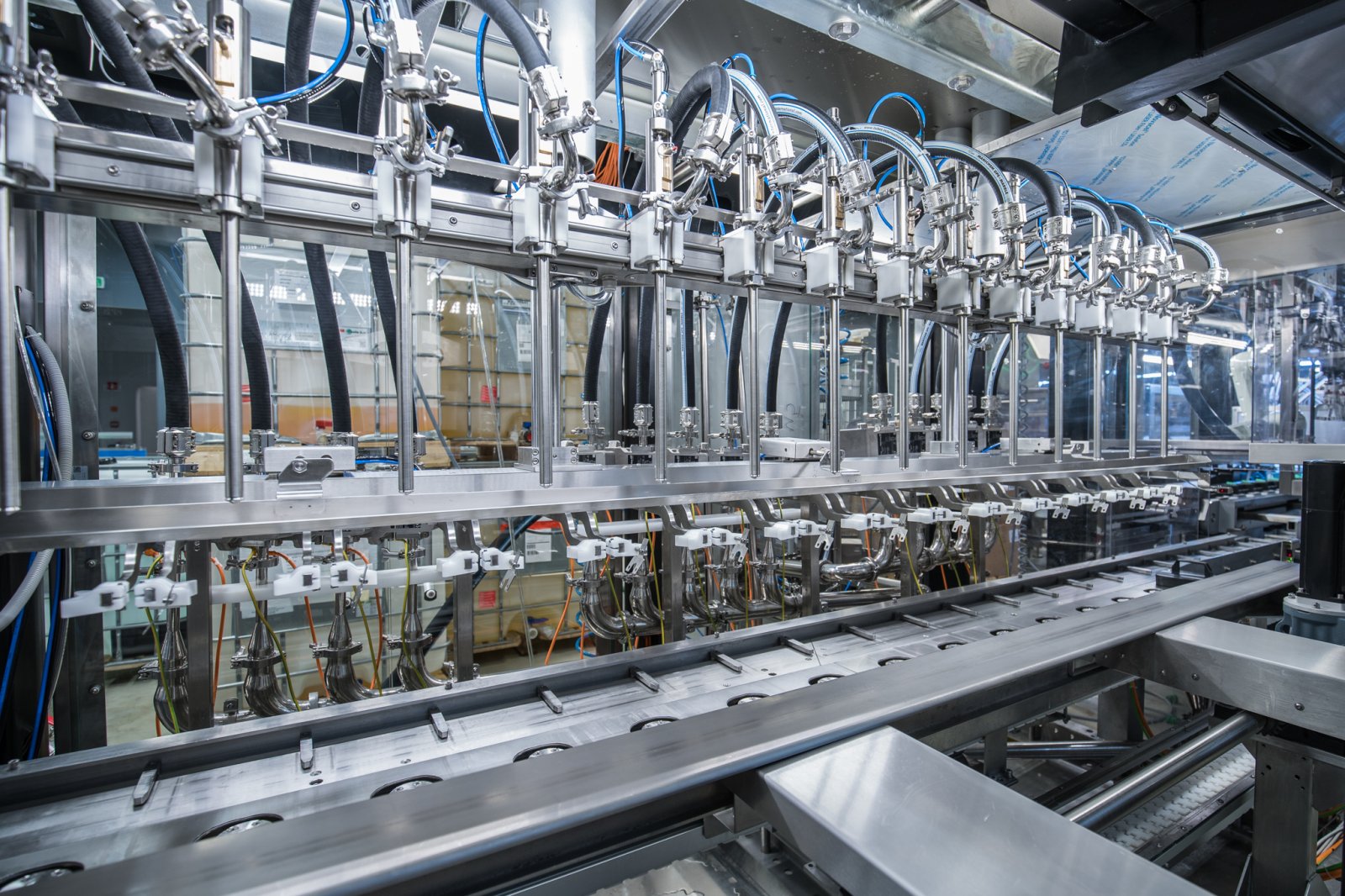
After blending, perfume is dispensed into bottles, and the filled bottles are placed into individual and bulk packaging. Filling and dosing equipment handles the transfer of perfume into the containers.
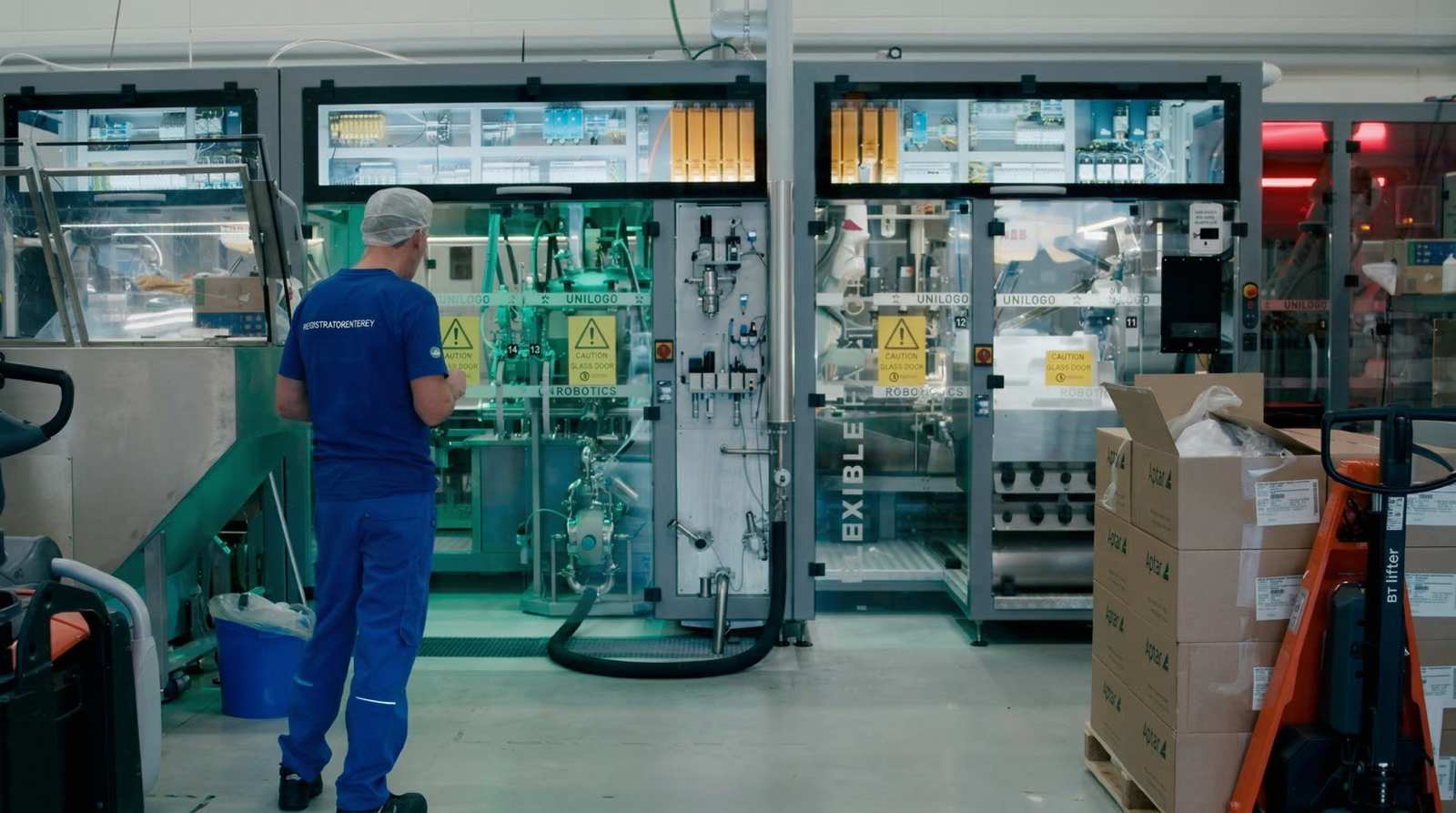
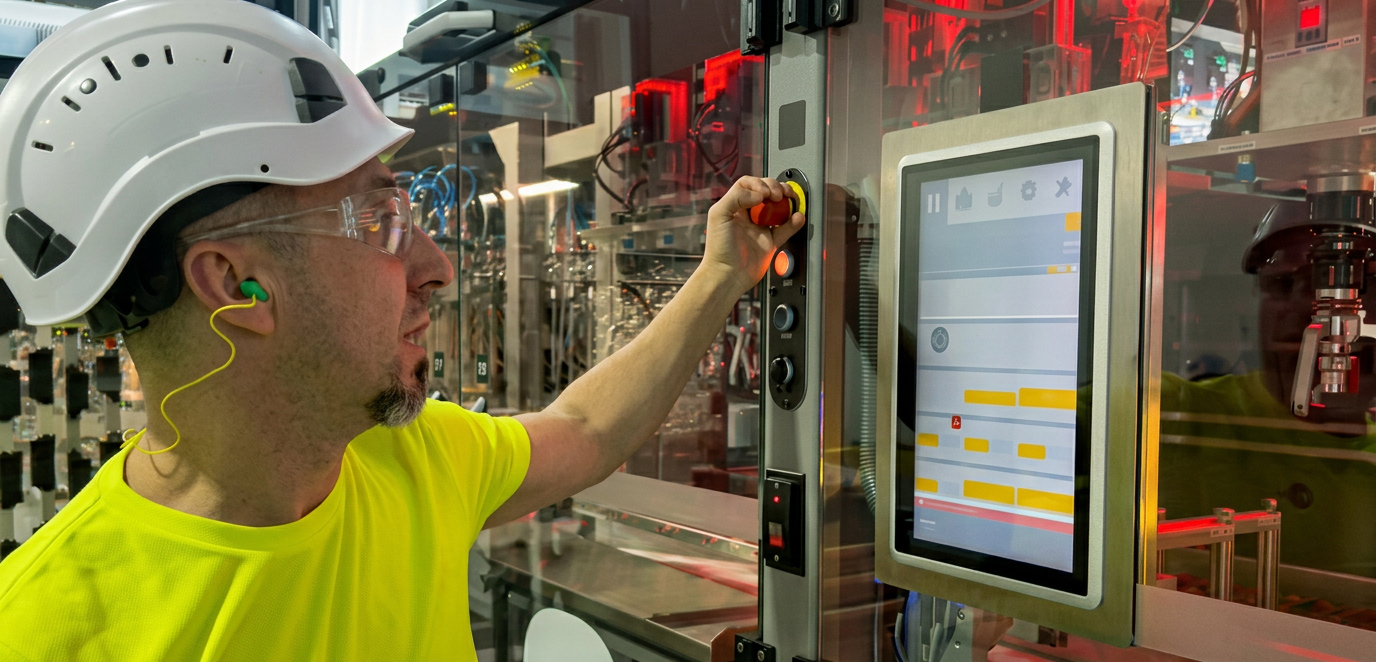
A perfume filling line uses machinery designed for bottling fragrance products. One example is UNILOGO’s Perfumline 50 filling and closing machine.
Machines of this type are designed to work with closures commonly used in perfumery, including atomisers and micro-sprays. Their high filling precision helps maintain consistent quantities of product in the bottles.
Process measurements
Perfume production also uses measuring equipment to control the manufacturing process. This includes scales and devices for measuring temperature, pH and density.
Subcontract and own-brand perfume production
Many companies subcontract perfume development and manufacturing. This approach also allows businesses outside the fragrance industry to own a perfume line without previous production experience.
Subcontract perfume production follows the same manufacturing stages as standard fragrance production. However, a contractor may be involved in only selected stages, such as developing the formula, rather than handling the entire process.
For brands considering private label cosmetic production, an own-brand perfume can serve as a marketing product. Fragrances can help attract new customers or be offered as gifts to employees and clients.
Perfume production summary
Perfume production is a multi-stage process involving research, fragrance design, blending, testing and packaging. Natural and synthetic ingredients are combined to create the intended scent, while specialised machinery supports manufacturing and bottling.
UNILOGO builds perfume production machinery for the cosmetics industry and beyond. Use the contact form to obtain product information and get help choosing equipment suited to your production needs.