



Industrial 3D printing supports prototyping, tooling, maintenance and production flexibility. Explore its applications, practical limitations and role in machinery format components.
3D printing gives manufacturers another way to produce prototypes, tools and selected machine components. Its value depends on the application: complex geometry, small quantities or repeated design changes can make additive manufacturing worth considering alongside conventional processes.
Applications range from design validation and assembly testing to format components for production machinery. However, printing is not automatically faster, cheaper or suitable for every operating environment.
Contents
- What is industrial 3D printing?
- Advantages and limitations
- Industrial applications
- How industrial 3D printing is evolving
- Selecting machinery with printed format components
What is industrial 3D printing?
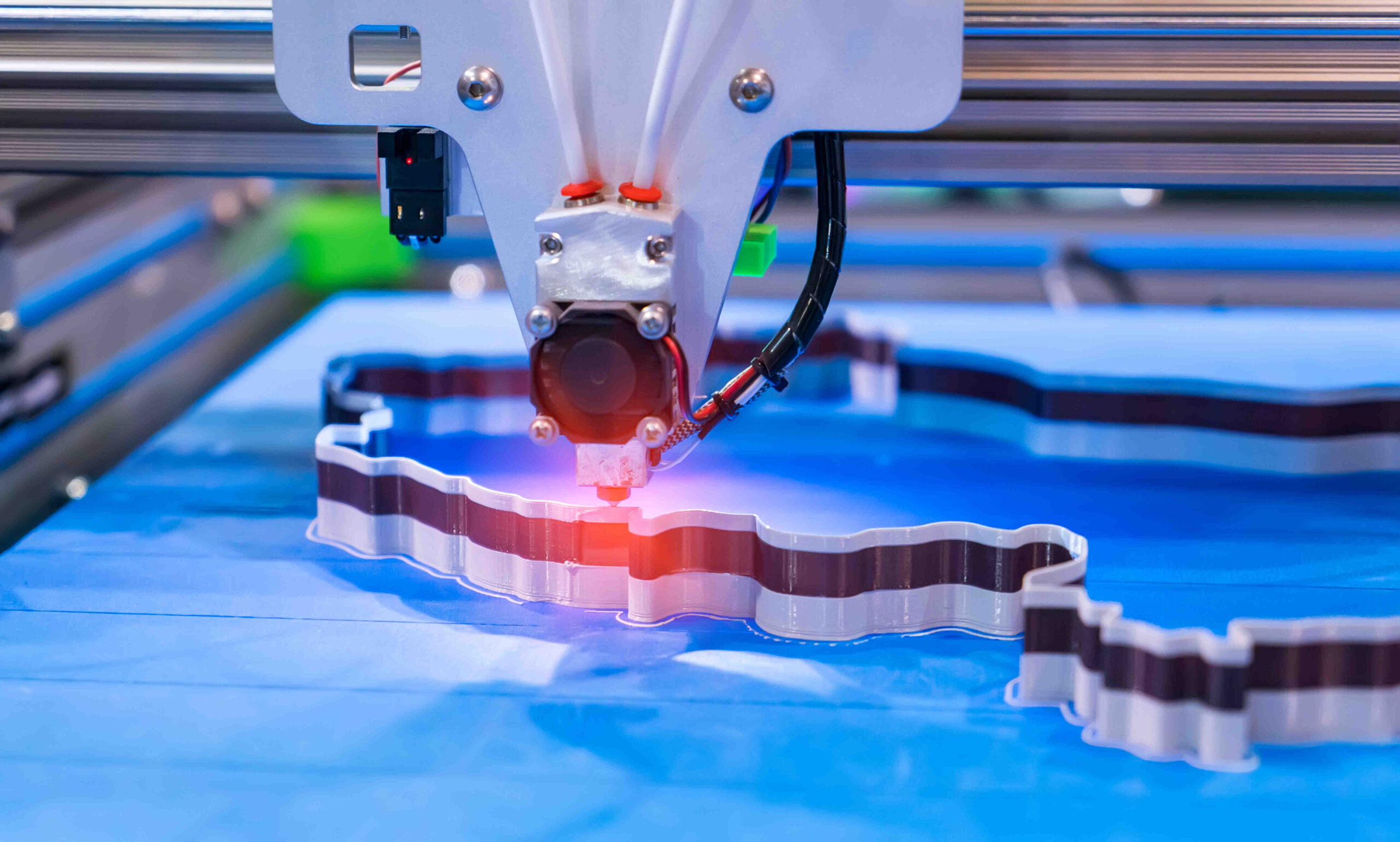
Industrial 3D printing produces components by building material layer by layer. Also known as additive manufacturing, it differs from subtractive processes such as milling and turning, which remove material from a larger workpiece.
Printing materials include plastics, steel and other materials, depending on the printing process and equipment. Material selection must reflect the component’s intended function rather than its shape alone.
Additive manufacturing can reduce the material removed during machining, but it is not waste-free. Supports, failed builds, residual material and post-processing can all generate waste. A meaningful comparison should consider the complete manufacturing route, not just the printing stage.
Advantages and limitations of industrial 3D printing
Rapid prototyping and design validation
Rapid prototyping is an important application for both new products and modifications to existing designs. A printed prototype allows designers to check a component’s geometry, assess assembly fit and revise the design before committing to conventional production.
This can make design iterations more practical, although the time and cost benefits depend on the printing process, material, component size and finishing requirements. A prototype also needs appropriate testing: a successful fit check does not establish that the part will perform under production loads.
Complex geometries and production preparation
3D printing can produce complex geometries that may be difficult or expensive to machine. It can also reduce the need for dedicated cutting tools in some applications.
Nevertheless, printing has its own design constraints. Build preparation, support requirements and post-processing vary by process, so complex shapes are not automatically straightforward to manufacture. Comparing printing with machining requires an assessment of the finished component, required quantity and acceptance criteria.
Applications for 3D printing in industry
Manufacturing tools, fixtures and holders
Manufacturers use printed components to test design solutions and support production tasks. Examples include fixtures and tool holders, where application-specific geometry can help accommodate a particular component or working arrangement.
The suitability of these items depends on their operating conditions. A component used for a design check may have different requirements from one exposed to repeated loading during production.
Format components for a flexible production line
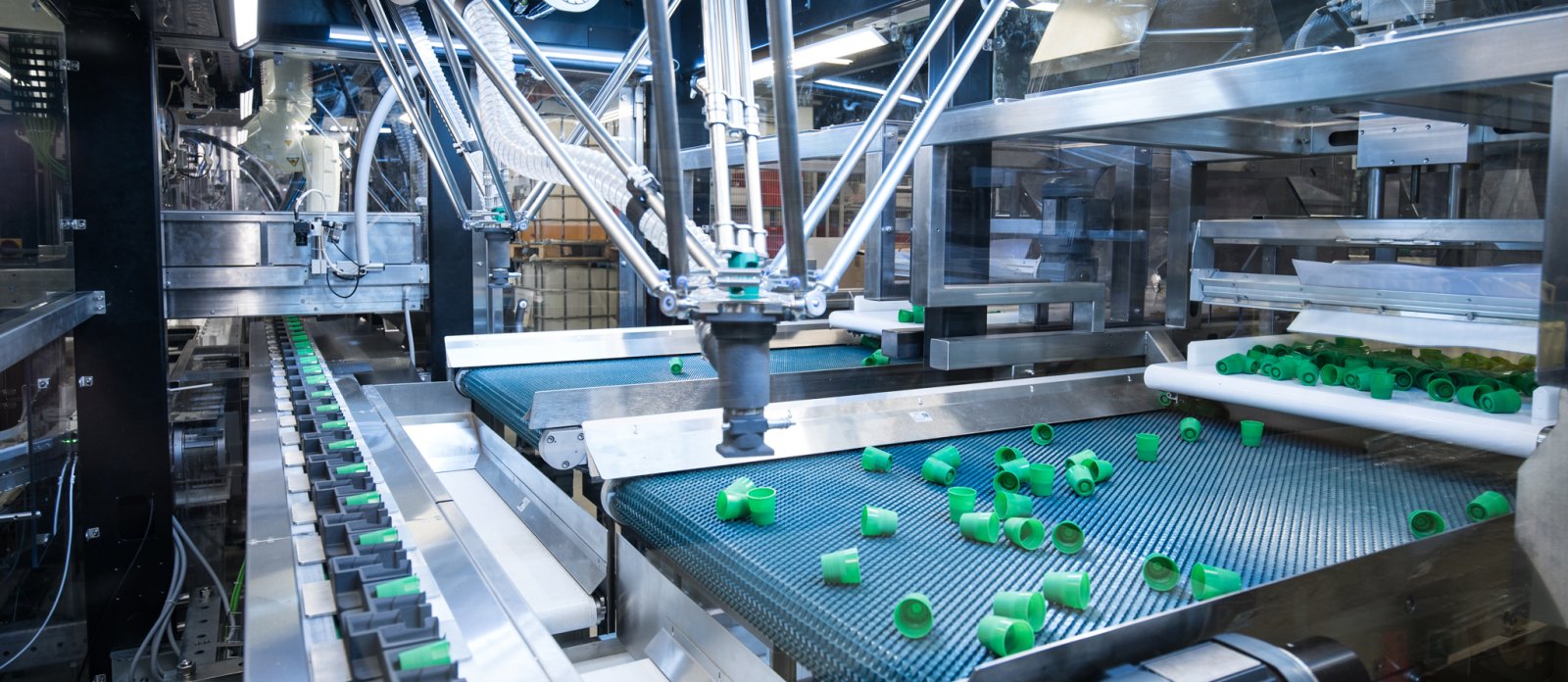
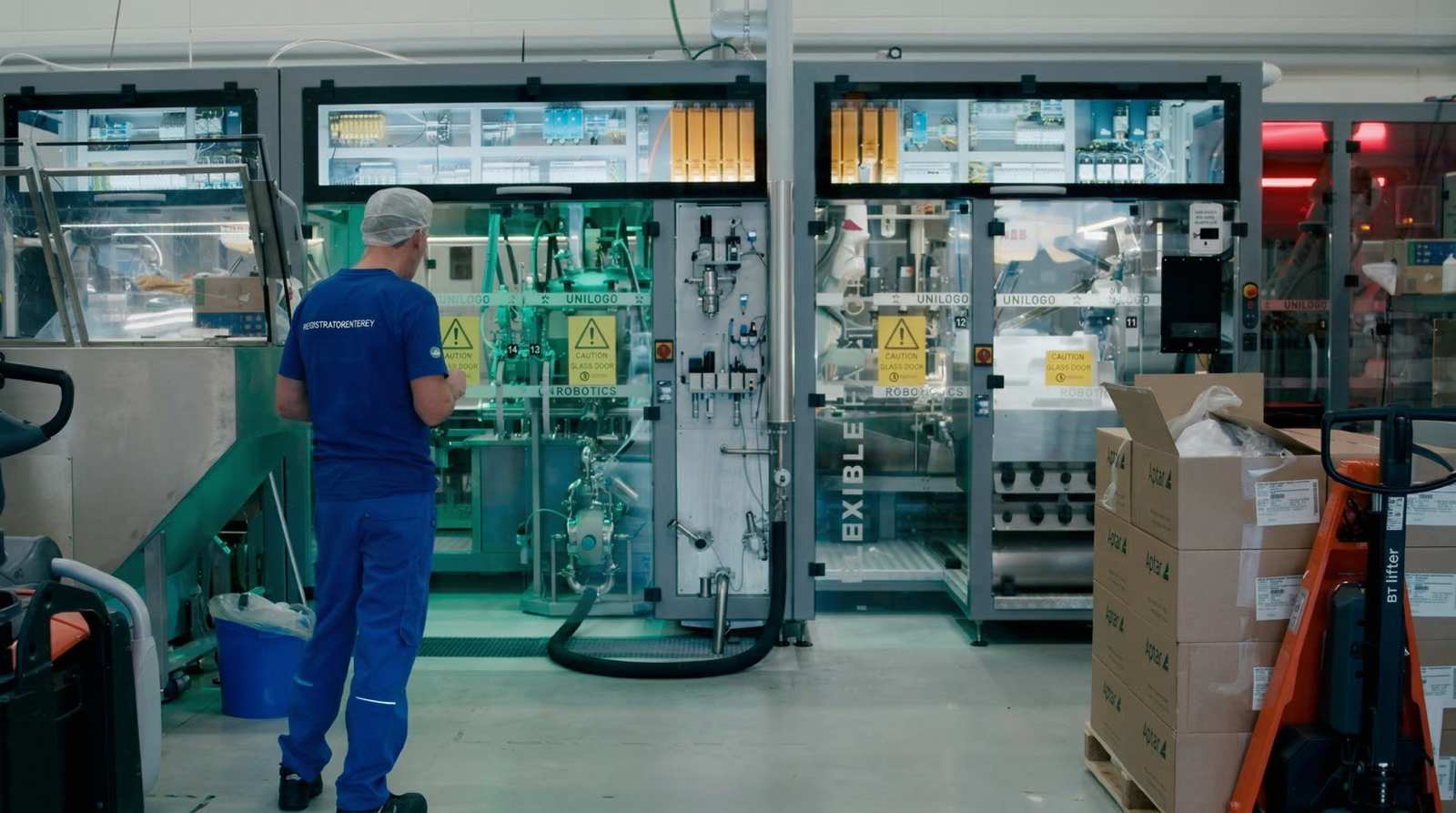
Unilogo’s Futureproof 120 line provides an example of printed format components in production machinery. The source describes these as format sockets or format elements used to help adapt the line to new product types.
This illustrates how application-specific components can support a flexible production line. Their contribution to rapid format changeover should be assessed against the complete changeover procedure; the source provides no measured changeover time or detailed specification for the printed elements.
Maintenance and temporary replacement parts
A maintenance department may consider printing a simple temporary replacement when an original part is unavailable. This approach could help address a breakdown, but only where the replacement’s suitability has been established.
Printed temporary replacement parts require assessment of strength, temperature resistance, fit and operational safety. The ability to reproduce a shape does not demonstrate that the replacement is safe or suitable for service.
Aerospace applications
Aerospace applications include components as well as manufacturing and measuring tools. Both polymer and metal printing can be relevant, depending on the application.
Material performance and qualification requirements must be assessed individually. A printed polymer component should not be presented as a direct substitute for a metal part without evidence that it meets the relevant functional and qualification requirements.
Automotive prototyping, accessories and vintage parts
Automotive manufacturers use 3D printing for prototyping and testing designs. Other applications include accessories, decorative elements and reproductions of difficult-to-source parts for vintage vehicles.
The choice between printing and injection moulding depends on production volume, tooling costs and component requirements. Injection moulding can be economical for high-volume plastic parts, but that does not justify a blanket claim that vehicles offered for sale contain no printed components.
For vintage replacement parts, reproducing unavailable geometry may be useful. Functional replacements still require appropriate material selection and validation, particularly where failure could affect safety.
How industrial 3D printing is evolving
Developments in printing methods, equipment and materials continue to broaden industrial applications. Prototyping remains important, while tooling, format components and selected replacement parts offer additional uses.
The practical question is not whether printing can create a shape, but whether it can deliver a suitable component within the required cost, lead time and validation constraints. Conventional manufacturing and additive processes should therefore be evaluated as complementary options.
Selecting machinery with printed format components
When evaluating custom packaging machinery, ask which format components are printed and how they support changes between products. For a flexible production line, assess material suitability, component validation and the full sequence of tasks required for rapid format changeover. Production planning should also consider how replacement format elements will be specified and checked before use. To discuss these requirements with Unilogo, use the contact form.