Explore perfume production from fragrance development and ingredient sourcing to blending, filling, closing, and subcontract manufacturing.
Perfume production involves fragrance development, raw-material sourcing, blending, process measurement, and packaging. Machinery used in the process ranges from equipment for extracting and mixing fragrance ingredients to a perfume filling line for bottling and closing.
Perfume production: from concept to finished fragrance
Developing the concept and formula
Fragrance development begins with research into customer preferences and products already available on the market. This work informs the perfume concept and determines which ingredients and proportions will be used.
At the design stage, blending requires trials and experiments to achieve the desired scent. Once the formula has been developed, production blending combines the ingredients according to that established recipe.
Production preparation also includes procuring raw materials and packaging components, purchasing machinery, designing the manufacturing process, and organising logistics and distribution.
Choosing natural and synthetic fragrance ingredients
Perfume ingredients are commonly divided into natural and synthetic materials. Natural fragrance ingredients are derived from plants or animals, while synthetic ingredients are chemical compounds produced in laboratories as alternatives to natural materials.
Synthetic ingredients can imitate scents associated with flowers, fruits, and trees. Vanillin, for example, is used to imitate the natural scent of vanilla. Synthetic materials are also used to reduce production costs and provide fragrance longevity and stability.
Customer preferences influence ingredient selection. Some customers are willing to pay a higher price for perfumes containing natural ingredients.
Extracting and blending fragrance materials
Natural fragrance materials must be extracted before they can be incorporated into perfume. One common method is steam distillation, in which steam passes through plant material to release essential oils, which are then separated from the water. Other methods include oil extrusion, solvent extraction, enfleurage, and maceration in water at room temperature.
Mixers combine ingredients such as essential oils, alcohol, and distilled water according to the developed formula. After blending, the perfume is bottled and packed into individual and bulk containers.
Perfume manufacturing technology and filling equipment
Ingredient preparation and mixing
Perfume manufacturing uses several types of machinery at different production stages. These include fermentation tanks and distillation columns during the initial stages, with distillation columns used to extract oils from natural raw materials such as flowers.
Mixers combine the formulation ingredients and play an important role in obtaining the required scent and consistency. Mixing and ingredient preparation precede the final filling, closing, and packaging stages.
UNILOGO Perfumline 50: filling and closing
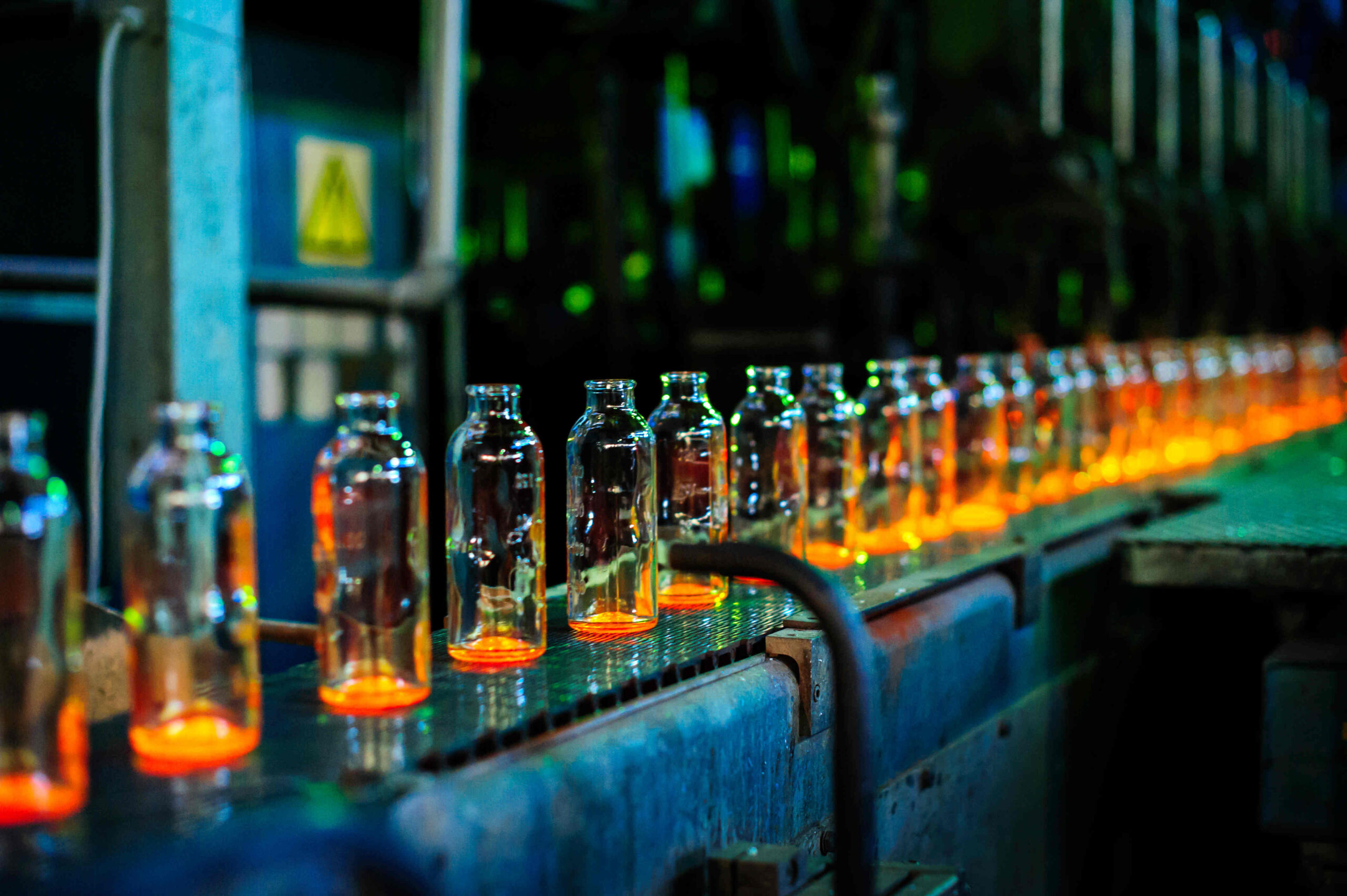
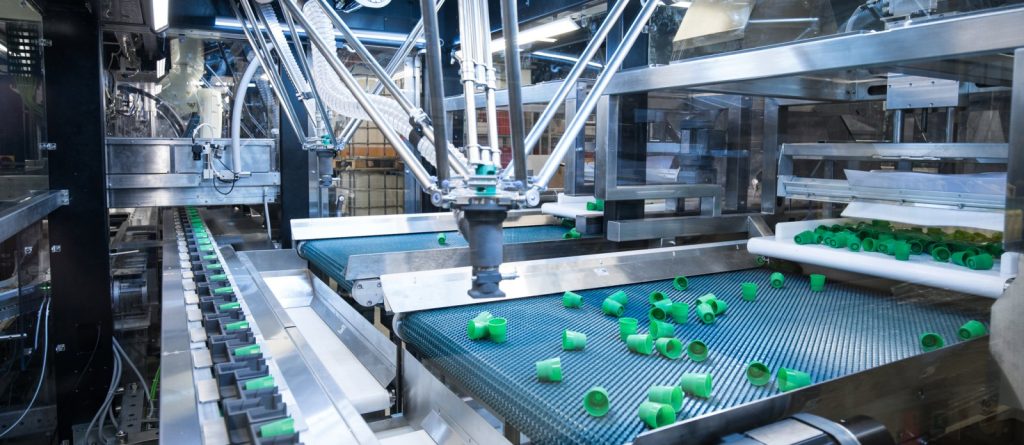
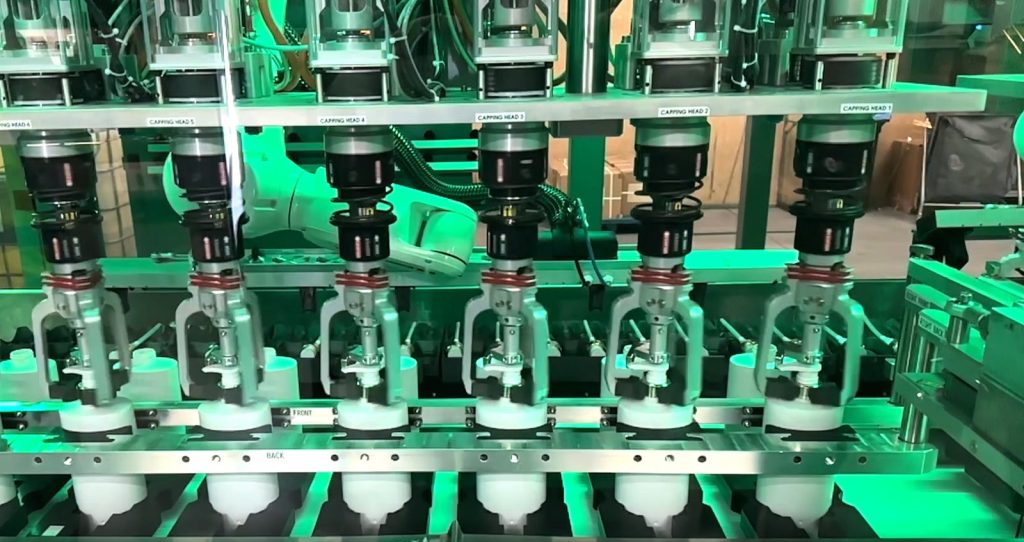
During the final stage, perfume is dosed into flacons, the bottles are closed, and the filled bottles are placed into individual packages. Filling and dosing equipment carries out the bottling operation.
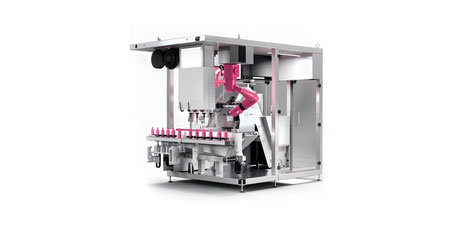
The
Perfumline 50 from UNILOGO is a perfume filling and closing machine. This type of liquid filling machine is designed to work with closures commonly used in perfumery, including atomisers and micro-sprays.
Precision dosing is an important function of this bottle filling machine, supporting consistent quantities of perfume in the containers.
Process measurement and control
Perfume production also uses scales and instruments for measuring temperature, pH, and density. These devices support precise control of the manufacturing process alongside mixing and filling equipment.
Subcontract perfume production and private-label projects
Companies can subcontract perfume development and production rather than carry out every stage themselves. Private label cosmetic production can also enable businesses outside the fragrance industry to launch their own perfume line without experience in perfume manufacturing.
A branded fragrance can support marketing activities, help attract new customers, or serve as a gift for employees and clients.
Subcontract production follows the same underlying process as standard perfume manufacturing, but the service provider may handle only selected stages. For example, a company may commission formula development without subcontracting the entire production process.
Perfume production: summary
Perfume production brings together market research, fragrance design, ingredient sourcing, blending, testing, and packaging. Natural and synthetic fragrance ingredients are combined to create the intended scent, while specialised machinery supports preparation, filling, and closing.
UNILOGO specialises in building perfume-production machinery for the cosmetics industry and other sectors. To learn more about the available equipment, use the
contact form. The team can provide product information and help identify an option suited to your production needs.